
Summary of Lectures on Prevention and Treatment of Geriatric Diseases
There is no universal prevention and treatment template for geriatric diseases. “Personalized daily intervention + timely and standardized medical treatment when discomfort occurs + not blindly following folk remedies/health products" is currently the optimal logic generally recognized by clinical practice. The three pitfalls of "excessive dieting, coping with discomfort, and following the trend of supplementation" that most elderly people often fall into are the main causes of aggravation or sudden onset of geriatric diseases.。
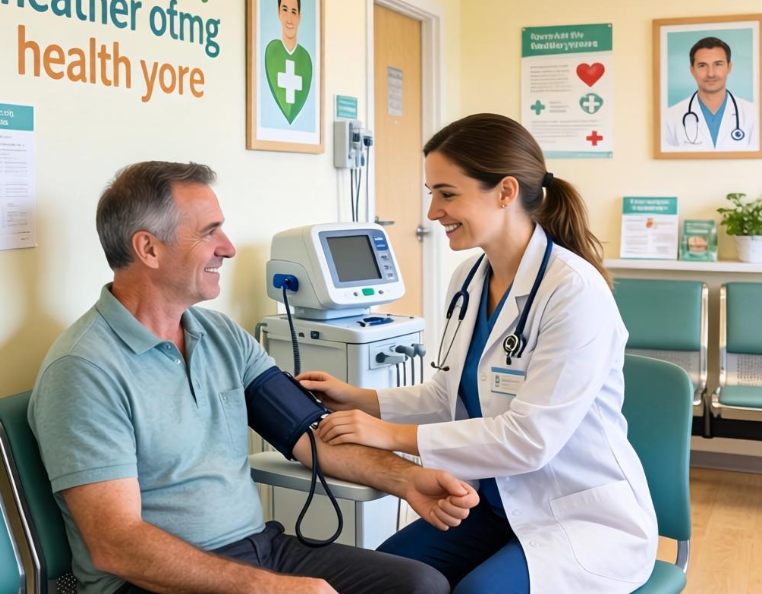
More than 120 elderly people came to this lecture, most of them carrying small notebooks filled with various "health tips", and many people came over holding the health products they just bought and asked if they could eat them. Uncle Wang, who is sitting next to me, just suffered from a mild cerebral infarction last year, and the right half of his body is still a little uncomfortable. He wrote a page of crooked notes, specifically the rehabilitation actions recommended by the doctor, and even the number of seconds to do each action was clearly marked.
The most frequently asked question at the scene was "Can aspirin be taken daily to prevent cerebral infarction?" What is interesting is that the two doctors have different opinions: Director Zhang of the Geriatrics Department has followed the latest international clinical guidelines and said that elderly people over 70 years old who do not have a clear history of cardiovascular and cerebrovascular diseases such as coronary heart disease and cerebral infarction are not recommended to take aspirin regularly as a preventive measure. On the contrary, it is easy to increase the risk of gastric bleeding and cerebral hemorrhage.; However, Dr. Li, who has been practicing in the community all year round, also added that if you have long-term high blood pressure and high blood lipids, or if your immediate family members have a history of premature cardiovascular and cerebrovascular diseases, you can also wait for the doctor to complete the bleeding risk assessment and take it at a low dose without killing you at once. To put it bluntly, there is no absolute right or wrong. It all depends on the individual's physical condition. Following the trend of taking medicine or following the trend of not taking medicine are both pitfalls.
In the past, many elderly people were afraid of high blood lipids after hearing the pseudo-Copton diet. The doctor in the nutrition department directly cited the example she received last month: 81-year-old Grandpa Liu did not eat meat for three months in order to lower blood lipids. In the end, he fell and fractured his bones due to severe anemia. He lay down for half a month before being discharged. In fact, the diet of the elderly is not at all more vegetarian. It should be "light but not too rich, enough but not excessive." It is perfectly fine to eat one whole egg every day. Eating steamed deep-sea fish twice a week is much more useful than taking fish oil health products that cost thousands of dollars a bottle. Even the elderly with high blood sugar are not completely forbidden to touch fruits. If you eat half an apple or a few strawberries between meals, there will not be much blood sugar fluctuations at all. During the Q&A session, an aunt held up a bottle of fish oil with "Nobel Prize in Medicine" printed on it. She said that the seller said that eating it can open blood vessels. The doctor took it and scanned the code. It was ordinary food without even the batch number of health products. The aunt's face turned pale at that time. She said that she had spent more than 3,000 yuan to buy half a year's supply, and she had to ask the seller to refund it when she got back.
In the past, many elderly people compared the number of steps they took. If they did not walk 10,000 steps a day, they would feel that the task of the day was not completed. The doctor in the sports medicine department shook his head after hearing this. He said that if the joints already have degenerative diseases, walking too much will wear out the meniscus. For elderly people over 65 years old who have no exercise habits, walking 4,000 to 6,000 steps a day is enough. In conjunction with exercises such as sitting Baduanjin and squatting against the wall, which place little pressure on the joints, it is much more effective than walking 10,000 steps. ; But for the elderly who exercise regularly and have no joint problems, it is okay to walk 10,000 steps. The key is that they don’t feel knee pain or chest tightness after walking. Don’t compete with the old guys on the number of steps. It’s not worth it to damage your knees if you win.
Speaking of treatment issues, Director Zhang specifically mentioned Aunt Li from our community last month. Her chest was tight for three days and she had to carry it. Thinking it was a gas problem, she rubbed it and applied plaster. In the end, she had a myocardial infarction in the middle of the night and called 120 to take her away. Fortunately, she was rescued in time. She repeatedly emphasized that if an elderly person suddenly develops chest tightness, chest pain, dizziness, or numbness in one hand or foot, don't bear it, and don't check Baidu to make blind judgments. Calling 120 within one hour is the golden time for treatment. If it is later, there may be sequelae or even inability to save the patient. There are also many elderly people who believe in folk remedies, such as soaking peanuts in vinegar to lower blood pressure and boiling celery root in water to treat diabetes. Previously, she treated an old man who drank peanuts soaked in vinegar for half a year. He stopped the antihypertensive medicine himself, and ended up with a cerebral hemorrhage and was admitted to the ICU. It cost hundreds of thousands to save him. Folk remedies can only be used as supplements at best, and they can never replace regular drugs. This really needs to be engraved in your mind.
I have held community health lectures for three years. To be honest, the biggest headache is that the elderly are easily deceived by the pseudo-popular science in short videos, such as "one trick to cure diabetes" and "take this and no longer need to take antihypertensive drugs". Nine times out of ten they are selling health products. We deliberately set aside half an hour for Q&A during this lecture. The doctor identified more than 20 "health tips" written down in a small book for the elderly on the spot. Most of them were useless or even harmful. After that, we plan to play 20-minute popular science videos from regular hospitals in the community activity room every Friday afternoon, and also set up a health consultation group, and invite community doctors to answer questions once a week, so as to prevent the elderly from being cheated by unscrupulous merchants.
At the end of the lecture, Uncle Wang took the doctor and asked him about the recovery movements of his half of the body for ten minutes. Before leaving, he gave me an orange he brought and said that this lecture was much better than the previous "health classes" that sold health products. He didn't force me to buy anything, and everything he said was useful. In fact, the prevention and treatment of geriatric diseases is not so fancy. Don’t use yourself as a guinea pig to try out folk remedies. Don’t just carry on if you feel a little uncomfortable for fear of causing trouble to your children. Don’t just follow the trend and buy what others say is good. The most useful is what suits you.
Disclaimer:
1. This article is sourced from the Internet. All content represents the author's personal views only and does not reflect the stance of this website. The author shall be solely responsible for the content.
2. Part of the content on this website is compiled from the Internet. This website shall not be liable for any civil disputes, administrative penalties, or other losses arising from improper reprinting or citation.
3. If there is any infringing content or inappropriate material, please contact us to remove it immediately. Contact us at:
