
Prenatal care and smart, healthy babies
Providing scientific and personalized prenatal care is the most cost-effective pre-intervention method to give birth to a smart and healthy baby. This is a general consensus reached by the global obstetrics and gynecology community. There is no mysterious recipe. Daily care adapted to one's own situation, standardized prenatal care, balanced nutrition and emotional adjustment are the most effective paths.
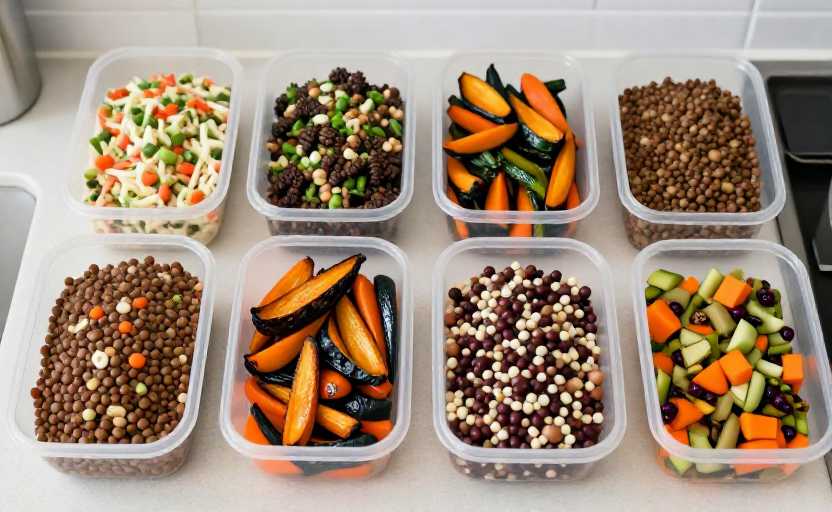
A while ago, I met a post-95 pregnant mother in the clinic. She stocked up a cabinet of supplements as soon as she was tested for parallel bars. She took DHA, algae oil, bird's nest, and multivitamins every day. She even chose the "enhanced version of Yizhi" milk powder for pregnant women. As a result, the first formal prenatal checkup at 12 weeks showed that her triglycerides were twice the normal value. She also suffered from insomnia all night long because she was always worrying about whether she had missed supplements, which actually hindered the early development of the fetus.
When it comes to prenatal care, the first thing that comes to everyone's mind is definitely "eating", and this aspect is also the most controversial. The older generation believes in "one person eats and two people nourish". They put whatever they want into their bowls, including bird's nests, sea cucumbers and cordyceps. ; Young pregnant mothers love to read online articles, saying that this DHA-supplemented baby is smart, and that lutein-supplemented baby has bright eyes, and they buy a lot of supplements to eat. In fact, the "Dietary Guidelines for Chinese Residents (Maternity Edition)" released by the Chinese Nutrition Society in 2023 clearly states that as long as there are no underlying metabolic diseases and no serious dietary pickiness, about 90% of pregnant mothers can fully meet the requirements as long as they ensure a balanced intake of cereals, potatoes, fruits and vegetables, meat, eggs, milk, and soy products. To meet all nutritional needs for fetal growth and development, the only additional supplements required are folic acid from 3 months before pregnancy to 3 months after pregnancy, as well as iron, calcium and other trace elements that are deficient in prenatal examinations. Most of the other supplements are "IQ taxes". Excessive supplements can easily cause hyperlipidemia during pregnancy and a larger fetus, which puts a burden on yourself and your baby.
Don’t think that everything will be fine if you have your prenatal check-up on time. There was a pregnant mother who worked in the new media, and her prenatal check-up indicators were green every time, but she always stayed up until two or three o'clock to catch up on projects, and had to communicate with Party A during the day. Her mood was always tense. She had routine fetal heart rate monitoring at 32 weeks, but failed three times in a row. The fetal movements were either too frequent or not moving for half a day. Even after being hospitalized for three days, no organic problems were found. Later, I asked her to simply take two weeks off to rest at home, and take half an hour every afternoon to go downstairs and chat with the pregnant mothers in the community. She didn't have to keep an eye on the work group. Within a week after she did that, it was normal to be monitored again. There are actually different opinions on this topic. Some people say that if you are pregnant, you should lie down at home to raise the fetus and not do any work. Others say that you should go to work and exercise without delaying anything. In fact, there is really no standard answer. Pregnant mothers with a history of habitual miscarriage and cervical insufficiency really need to follow the doctor's advice and get more rest. As long as they are in good health and have no symptoms of threatened abortion, they can go to work normally, take a walk every day, or even do some gentle yoga and swimming. I met a pregnant mother who was a fitness coach before. She was still doing low-intensity strength training until she was 36 weeks pregnant. She only gained 18 pounds in weight during the entire pregnancy. She had a natural delivery without side incision. After the baby was born, her motor development was almost a month earlier than that of babies of the same age. The child care doctor said this has a lot to do with the pregnant mother staying active during pregnancy and the well-developed fetal vestibule.
When it comes to what everyone cares about the most, "whether the baby is smart or not", many people place their hopes on prenatal education, buying a bunch of prenatal education music, story machines, and even putting headphones on their bellies to listen to their babies. This is quite controversial. One group supports prenatal education and believes that appropriate external stimulation can promote the development of fetal auditory cortex and brain neurons. ; The other school is the "ineffective prenatal education theory", which says that the sound of blood flow and gastrointestinal motility in the womb add up to more than 80 decibels, and the music from the outside has long been muddled into a ball and has no effect at all. Too much volume will damage the hearing of the fetus. In fact, I have come into contact with so many pregnant mothers. There is really no need to argue about right and wrong. If you feel relaxed and happy during prenatal care, then it is worth it. There was a pregnant mother who was a primary school music teacher. When she was pregnant, she gave music lessons to her students every day and sang along. She said that she was in a very good mood during class. After the baby was born, she became quiet as soon as she heard children's songs, and she could shake her arms to the music when she was half a year old. Do you think this is the role of prenatal education? Or is it the benefit that a pregnant mother’s good mood and stable hormones bring to the baby? In fact, they all exist. You don’t have to stick to the standard of “effective but useless” to force yourself to do things you don’t want to do.
To be honest, I have been in the obstetrics department for almost ten years, and I have seen too many pregnant mothers who are obsessed with the "perfect pregnancy list" on the Internet. Today they forget to take DHA and are anxious, and tomorrow they can't help but drink half a cup of milk tea and become anxious. In fact, it is really unnecessary. There was a pregnant mother who really wanted to eat spicy hot pot when she was pregnant, but the elders at home wouldn't let her. She secretly cried three times. Later, during the prenatal check-up, she asked me if she could eat it. I told her that as long as you don't have diarrhea after eating spicy food, what's wrong with eating it after it's fully cooked? She later went to have a meal happily, and even the fetal heart rate monitoring for a week was very stable.
In fact, there has never been a standardized template for prenatal care, and a smart and healthy baby cannot be obtained by "checking in according to the process." The best prenatal care is that you are comfortable, your baby's development is within the normal range during every prenatal check-up, and your mood is stable and there is no internal friction. After all, what can make your baby win at the starting line is never how many supplements you take or how much prenatal education you do, but your relaxed and stable state throughout the pregnancy.
Disclaimer:
1. This article is sourced from the Internet. All content represents the author's personal views only and does not reflect the stance of this website. The author shall be solely responsible for the content.
2. Part of the content on this website is compiled from the Internet. This website shall not be liable for any civil disputes, administrative penalties, or other losses arising from improper reprinting or citation.
3. If there is any infringing content or inappropriate material, please contact us to remove it immediately. Contact us at:
