Healthy meat recipes
Give priority to categories that are low in saturated fat and high in high-quality protein. The total daily intake should be controlled at 40-75g. There is no absolute black meat type, only unreasonable cooking methods and excessive intake. You can flexibly adjust according to your own dietary preferences and body metabolism. There is no need to force yourself to eat meat that you don’t like.
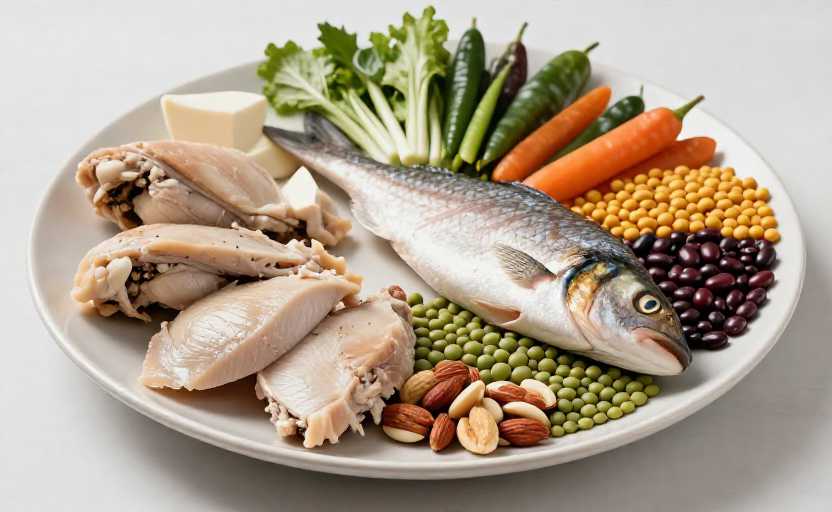
Last week, I met a little girl who was following online recipes to lose weight. She had been eating only boiled chicken breasts and frozen pangasius for three months. Now she feels sick when she sees white meat. Her aunt postponed it for half a month, and even dumped the pot on the two bites of braised pork she couldn't help but eat the day before. It was really dumbfounding - many people have too deep misunderstandings about healthy eating of meat.
Pork is definitely the most scolded, especially the fatty parts. Traditional nutrition does believe that parts such as pork belly and pork knuckles have a high proportion of saturated fat. People with dyslipidemia and risk of cardiovascular disease should eat as little as possible to avoid burdening their metabolism. But looking at it from another perspective, people on low-carb and ketogenic diets will deliberately choose pork with fat. After all, their carbohydrate intake is very low, and fat itself is the main source of energy. A friend I know who competes in bodybuilding competitions will even regularly add 30g of soy sauce pork belly every day when adjusting his body fat status in the later stages of preparation. The condition is much more stable than that of competitors who only eat lean meat during the same period. The premise is of course that the calories and macronutrients throughout the day are clearly calculated.
Even for ordinary people, there is no need to give up pork completely. The fat content of lean pork tenderloin is less than 10%, which is not much higher than the whole milk that many people like to drink. Cut into thin strips and fry green peppers, chop into fillings and make oil-free steamed meatloaf. They are all very suitable healthy meal ingredients. You don’t have to be afraid of the enemy when you mention pork.
Poultry is considered the "popular star" in healthy recipes, but there is no need to stick to chicken breast. The fat content of skin-on chicken thighs is only about 12%, which is less than 2 percentage points higher than that of pork tenderloin. It is so tender that it can burst with juice. Use an air fryer to spray two pumps of olive oil and sprinkle some cumin and black pepper. It will be ready in 15 minutes. It is ten times more delicious than the boiled chicken breasts that burn in your throat. There is really no need to fight against your taste buds just to save a few grams of fat. As for the "hormones in chicken skin" that many people are worried about, in fact, the hormone content of poultry raised through formal channels meets national safety standards. If you really mind, just peel off the skin and you won't be overly anxious.
High-quality protein from aquatic products has a higher absorption rate, as well as Omega-3 unsaturated fatty acids from deep-sea fish, which are good for cardiovascular, cerebrovascular, and skin. However, you don’t have to buy expensive salmon and cod. Ordinary sea bass, grass carp, shrimp, and scallops are all very good choices. Eat them 2-3 times a week, and about 100g each time is enough. After all, we have to pay attention to the problem of heavy metal accumulation in deep-sea fish. Eating too much will not be worth the loss. Friends with high purine should remember to drink less seafood soup and just eat boiled or steamed meat.
Speaking of which, someone must mention the issue of processed meat. After all, the World Health Organization has classified processed meat products such as sausages, bacon, and ham as Class 2A carcinogens, and many health bloggers have directly blacklisted them. But I think there is no need to overdo it. The definition of Class 2A carcinogens is "highly likely to cause cancer in humans". The premise is that they are consumed in large amounts for a long time. If you usually eat a balanced diet, and occasionally want to add slices of bacon to make a sandwich for breakfast, or stir-fry two luncheon meats when eating hot pot to satisfy your craving, that amount of intake will not have an impact on your health at all. If you really make healthy eating a penance, you will not be able to stick to it for a few days.
Let me tell you about my weekly meat menu for reference: I am in a hurry on Monday and Tuesday, so I fry two skinless chicken legs with boiled vegetables. On Wednesday and Thursday, I change to steamed sea bass and boiled shrimp. On Friday, I stew radish and beef brisket early after get off work. On weekends, I occasionally make braised pork. The whole family ate together, and I would buy one when the convenience store downstairs had a sale on sausages. After eating like this for almost two years, the blood lipids and uric acid indicators in the physical examination were all within the normal range. I felt much happier than when I ate boiled chicken breasts every day a few years ago.
You really don’t need to believe the extreme statements on the Internet that “red meat causes cancer” and “pork is junk food”. Healthy eating is inherently a very personal matter. If you usually exercise three or four times a week and have a good metabolism, it doesn't matter if you eat two more bites of fat. ; If you have high blood lipids and sit for long periods of time, you really need to control your saturated fat intake. The core is never what can and cannot be eaten, but a moderate, balanced and enjoyable diet is a healthy diet that can be adhered to for a long time.
Disclaimer:
1. This article is sourced from the Internet. All content represents the author's personal views only and does not reflect the stance of this website. The author shall be solely responsible for the content.
2. Part of the content on this website is compiled from the Internet. This website shall not be liable for any civil disputes, administrative penalties, or other losses arising from improper reprinting or citation.
3. If there is any infringing content or inappropriate material, please contact us to remove it immediately. Contact us at: