
Healthy Diet Daily Intake
For most healthy adults aged 18-49 in China who work lightly and have a BMI in the range of 18.5-23.9, the core reference for daily intake of healthy diet is: 200-300g of raw staple food (whole grains, beans, and potatoes account for 1/3 Above), 300-500g of fresh vegetables, 200-350g of fresh fruits, 120-200g of high-quality protein food, 25-30g of cooking oil, no more than 5g of edible salt, and 1500-1700ml of drinking water every day.
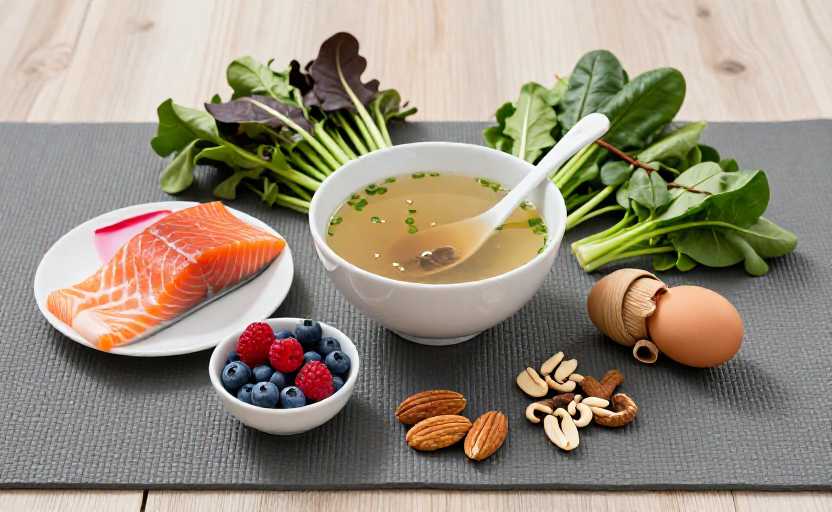
This value is the public reference given in the "Dietary Guidelines for Chinese Residents (2022)". It is essentially a large framework for most people, and it is not as easy as holding a kitchen scale to count calories per meal. A while ago, I helped a girl who works in new media adjust her diet. In order to lose weight, she strictly followed the "1,200-calorie recipe" on the Internet. She had to take out a food scale to calculate the weight of every bite of meat when going out for dinner, and she almost developed an eating disorder. Later, I switched her to a method of estimating without a scale: for one meal, eat staple food the size of your own fist (note the amount of raw rice cooked, 100g of cooked rice is about 280g, which is exactly the size of a girl’s fist), two fists of vegetables, a palm-thick portion of lean meat/fish and shrimp/soy products, a small handful of low-sugar fruits, and cooking oil that is about the size of the knuckle of your little finger. There is no need to count calories at all. She persisted for two months, lost 8 pounds, and was no longer anxious about eating.
Oh, by the way, this standard does not apply to everyone. The intake recommendations of different dietary schools on the Internet are quite different. For example, supporters of low-carb and ketogenic diets will recommend reducing the intake of refined carbohydrates to less than 50g per day, or even not eating refined staple foods at all, and relying on fat for energy. The short-term weight loss effect of this method is indeed obvious, but there is currently no consensus on long-term safety in the academic community. People with fatty liver, gallstones, and abnormal kidney function must not try it randomly. Also, the protein intake standard commonly used by fitness and muscle-building people is 1.6-2.2g per kilogram of body weight, which is much higher than the universal standard. For example, a 70kg boy in the muscle-building stage needs to eat 112-154g of protein every day, which is almost the amount of 4 eggs, 200g of beef and a carton of milk. As long as the kidney function is normal, this amount is safe, and there is no need to worry about the rumors of "eating too much protein will damage the kidneys." Vegetarians should also note that because the absorption rate of plant protein from cereals and potatoes is much lower than that of animal protein and soy protein, the protein intake is about 20% higher than that of the general population to meet daily needs.
Many people's misunderstanding about intake is still based on "only looking at the weight and not the cooking method." When I adjusted the diet for my mother before, she stepped on this trap: she would eat a pound of "vegetables" every meal, but they were oil-absorbing vegetables such as braised eggplant and dry-fried beans. In one meal, she would eat more oil than eating two pieces of fried chicken, and her fasting blood sugar would actually rise. Later, she replaced half of the stir-fried vegetables with boiled or cold leafy green vegetables, and half of the white rice with steamed sweet potatoes and oats. In less than three months, her fasting blood sugar dropped from 6.2 to 5.7, and the constipation that had been bothering her for many years was also much better. Some people say that fruits are high in fructose, so there is no need to eat them at all. 200-350g is about a medium-sized apple plus a handful of strawberries. Fructose intake is completely within the safe range. If you are really afraid of sugar, it is OK to switch to small tomatoes and cucumbers that can be used as both vegetables and fruits.
If you have underlying diseases or are in a special physiological stage, you should make targeted adjustments instead of applying universal standards. For example, for diabetics, the amount of staple food should be adjusted according to their glucose tolerance. Try to replace it with low-GI foods such as oats, quinoa, and sweet potatoes. Avoid eating porridge and pastries made from white rice and flour. ; Gout patients should reduce their intake of high-purine protein such as animal offal, seafood, and rich broth. Try to choose eggs, milk, and low-purine soy products for high-quality protein. ; Pregnant women should increase their intake of 20-50g of high-quality protein every day during the second and third trimester of pregnancy, and increase their calcium intake to 1,000mg. Drinking more milk and eating sesame paste can make up for this, and there is no need to take too many additional supplements.
I have been doing public nutrition consulting for five years, and I have seen too many people worry about "will eating one more mouthful of rice today make me fat?" and "will eating a 10g difference in the amount of food" will be unhealthy. In fact, it is really unnecessary. Healthy eating is a long-term lifestyle habit, not an accurate calculation of one or two days. Even if you eat hot pot, barbecue, and milk tea two or three days a week, try to eat according to this general framework for the remaining four or five days, which is much better than worrying about your intake every day and ending up overeating. After all, eating is not only healthy, but also happy, right?
Disclaimer:
1. This article is sourced from the Internet. All content represents the author's personal views only and does not reflect the stance of this website. The author shall be solely responsible for the content.
2. Part of the content on this website is compiled from the Internet. This website shall not be liable for any civil disputes, administrative penalties, or other losses arising from improper reprinting or citation.
3. If there is any infringing content or inappropriate material, please contact us to remove it immediately. Contact us at:
