
Nutritional Diet and Health Essay
Nutritious diet is by no means a unified "healthy recipe template" circulated on the Internet, but a dynamic personalized diet plan that matches an individual's genetic background, physiological status, and living habits. It is currently recognized by the global medical community as the most cost-effective intervention method to prevent more than 80% of chronic non-communicable diseases.
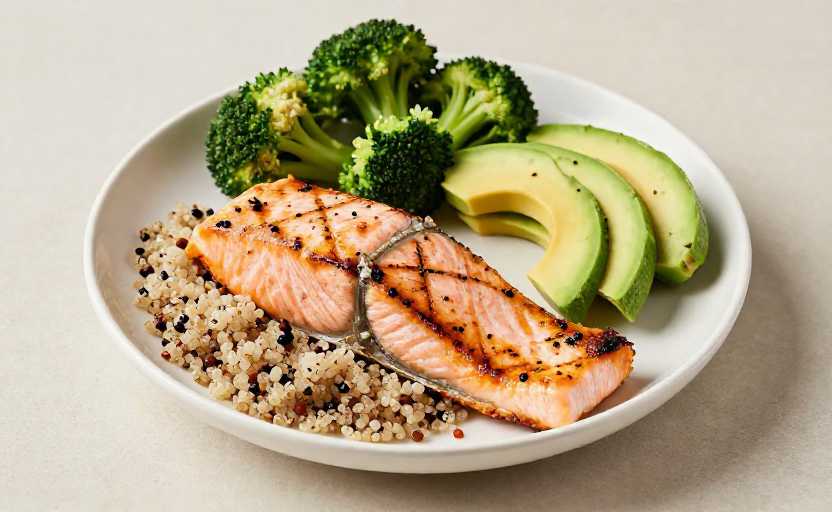
Last year, when I was working on a public nutrition intervention project on the street, I met 62-year-old Aunt Zhang. She was an out-and-out "healthy meal fanatic". She came across the so-called "centenarian diet" through short videos. For three months, she had multigrain porridge for breakfast, boiled vegetables and steamed corn for lunch, and only had an apple for dinner. She originally wanted to lower her blood pressure. However, after three months, she felt dizzy and went to the hospital for a checkup. She found that her hemoglobin was only 90g/L and she was moderately anemic. Her blood pressure fluctuated even more due to malnutrition. I looked through her previous food records and found that before she retired, she loved to eat some sweet and sour pork ribs, drank a small bowl of rice wine every day, and occasionally ate some soy duck. Although there was a little more oil and salt, the meat, eggs, vegetables and milk were perfectly matched, so there was nothing wrong with her.
When it comes to this, there are definitely people who want to criticize me, saying that someone around me has been in good health after being a vegetarian for more than ten years, or that someone who has been on ketosis has cured diabetes in three months - I never deny the authenticity of these individual cases. I have met marathon runners who have been vegetarians for 8 years. They consciously supplement B12 and iron every day. Their blood lipids and cardiopulmonary function in annual physical examinations are better than those of most omnivorous young people. ; I have also met patients with prediabetes who followed a low-carb diet for half a year under the guidance of a doctor. Their fasting blood sugar dropped from 6.8 to 5.4, and even their insulin resistance improved. However, the premise of these programs is to "adapt to individual conditions." If you ask a person with renal insufficiency to undergo ketogenesis, a large amount of protein metabolism will only increase the burden on the kidneys, and uric acid will definitely exceed the standard within half a year. ; If you put an adolescent girl who is usually prone to anemia on a vegetarian diet, it is a sure thing that it will affect her growth and development.
The figures in the "Report on Nutrition and Chronic Disease Status of Chinese Residents (2023)" released last year are actually quite disturbing: the overweight and obesity rate among residents aged 18 and above in my country has exceeded 50%, there are 270 million patients with hypertension, and 120 million patients with diabetes, of which 30% are directly related to unreasonable diet. Many people’s misunderstandings about nutritious diets are either “you have to go hungry” or “you have to eat expensive”, but this is not the case. The consultation case I received in the past two months was a 996 programmer. He had takeout three times a day and had no time to cook. I didn’t ask him to quit his job and cook at home, so I made him three very small changes: add an extra portion of boiled vegetables when ordering takeout, change the milk tea from full sugar to three-point sugar, and replace the pearls with grass jelly (to reduce the intake of refined sugar). Eat salmon or saury at least twice a week. If you don’t have time, take some regular brand Omega3 supplements. He persisted for five months and sent me a physical examination report last month. The mild fatty liver was gone and the triglycerides had dropped from 2.1 to the normal range. He said that the happiest thing was that he didn’t have to go on a diet and could usually have dinner with friends and he didn’t feel any burden.
Many people think that a nutritious diet means "you can't eat this and you can't eat that." I find it funny every time I hear it. Last time I had a dinner with some nutritionist friends, we also had hot pot together and ordered hairy tripe and fat beef. There was only one request: try not to drink the hot pot soup base, dip less sesame sauce, rinse more green vegetables, and walk two kilometers home after eating. Isn't this better than boiling vegetables every day? Nutrition is never about subtraction, it is about balance. It doesn’t matter if you eat milk tea and fried chicken once in a while, as long as you don’t eat it all the time. For example, if you think of your body as a car, it's okay if you add 92% oil once in a while. If you always add low-quality gasoline, the engine will definitely break down early. There is no need to add racing oil for the track every day in order to protect the engine. There is no need to spend money. The most important thing is to adapt to your own car model.
After working in public nutrition-related work for almost seven years, I have seen too many people become anxious due to various "healthy eating standards" on the Internet. Every rice they eat must be calculated on the glycemic index, and every meat eaten must be calculated on the protein content. Instead, eating, which is originally a very happy thing, is made like an experiment. In fact, after looking through the dietary guidelines of China, the United States, and the WHO, the core logic has never changed: eat a variety of foods, mainly cereals, eat more fruits and vegetables, milk, and soybeans, eat fish, poultry, eggs, and lean meat in moderation, eat less salt and oil, and control sugar and alcohol. To put it bluntly, don’t be picky about food, don’t go to extremes, make slight adjustments based on what you like to eat, and if you feel comfortable eating, your body will naturally be healthy. This is the most essential meaning of a nutritious diet.
Disclaimer:
1. This article is sourced from the Internet. All content represents the author's personal views only and does not reflect the stance of this website. The author shall be solely responsible for the content.
2. Part of the content on this website is compiled from the Internet. This website shall not be liable for any civil disputes, administrative penalties, or other losses arising from improper reprinting or citation.
3. If there is any infringing content or inappropriate material, please contact us to remove it immediately. Contact us at:
