
Balanced Diet 211 Proportion Correct Answer
The proportion of cooked edible portions is 2 parts of non-starchy vegetables, 1 part of whole grains/mixed legumes, and 1 part of high-quality protein. There is no need to strictly control the weight, and it can be roughly divided by the volume of an ordinary dinner plate.
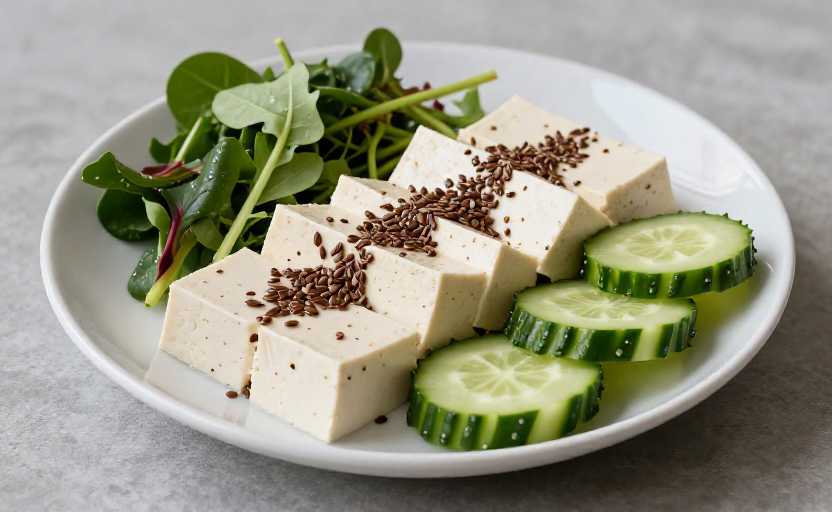
This ratio first evolved from the dinner plate suggestions in the "Dietary Guidelines for Chinese Residents (2022)". The core reason why it is so popular now is that it is simple enough - you don't need to carry a calorie meter of hundreds of calories, and you don't need to carry a kitchen scale to eat every day. Just use an ordinary 20cm dinner plate at home. : Half of the area is placed with green leafy vegetables such as blanched spinach, broccoli, and lettuce, and the remaining two quarters are placed with brown rice, oatmeal, quinoa, or steamed corn on one side, and protein sources such as fried chicken breast, boiled shrimp, steamed eggs, and northern tofu on the other side. It is a standard 211 meal when placed casually.
The first pitfall that many people easily fall into when they first get started is to calculate the ratio as raw weight. For example, if you buy 200g of spinach based on raw weight, it shrinks into a small ball after frying, and the actual volume eaten is not even 1 serving, which completely fails to meet the vegetable intake requirements. Some people include vegetables with high starch content such as potatoes, lotus roots and yams as "two servings of vegetables". In fact, the starch content of these ingredients can reach more than 15% and should be classified as staple food. If counted as vegetables, it is equivalent to eating two servings of staple food in one meal, and the calories will be exceeded without realizing it.
Of course, no one has ever said that 211 is an iron rule that must be adhered to. There are many different voices in the nutrition field, and there is a lot of room for adjustment among different groups of people. My friends who practice bodybuilding will directly increase the protein ratio to 1.5 during the muscle-building period, reduce the staple food to 0.5, and add an extra half a bowl of rice on training days to avoid muscle loss. ; For an elder at home with diabetes, the doctor’s adjustment plan was to reduce the staple food in 211 by one-third and replace it with more green leafy vegetables, and replace all staple food with low-GI cereals. Now the fasting blood sugar is stable at around 6, which is better than the previous control by taking medicine alone. Some gastroenterologists have also mentioned that the elderly and preschool children with weak gastrointestinal function do not need to eat 2 servings of vegetables. Excessive crude fiber will increase the burden on the gastrointestinal tract. Reduce the vegetables to 1.2-1.5 servings and add more steamed pumpkins and yams, which are easy-to-digest root staples, which will be more suitable for their physical condition. Vegetarians don’t need to panic. One serving of protein can be completely replaced with plant proteins such as chickpeas, mushrooms, and yuba. As long as the daily protein intake is sufficient, the effect is no different from animal protein.
I have seen a serious girl before. In order to strictly adhere to the 211 ratio, she first measured the plate with a ruler and weighed each dish with a kitchen scale. She gave up after only a week, saying that eating was more tiring than working on a project. It was really unnecessary. 211 is originally an introductory reference to reduce the burden on ordinary people. It is not an exam question that requires you to get full marks. A difference of 10% or 20% will not affect the ratio at all. Even if you go out to eat hot pot or order takeout, you can get a rough idea: first eat hot pot with two chopsticks of vegetables, then one chopstick of beef and tripe, and finally eat less than half a bowl of multi-grain noodles, which is basically in line with the proportion. ; When ordering takeout, just ask for an extra portion of blanched vegetables, replace the white rice with brown rice, and choose a meat dish such as stir-fried meat or steamed fish, which is almost up to standard.
To put it bluntly, 211 is like a copy of the introductory draft for learning to draw. You don’t have to draw exactly the same as the original draft. The core is to figure out the logic of diet matching. Once you understand your physical condition, you know how much staple food you can eat without feeling sleepy and how much vegetables you can eat without being constipated. You can completely adjust the proportions yourself. If you didn't know how to match your diet before and just took two bites a day, then if you follow the basic version of 211, at least you won't make a big mistake. If you stick to it for half a month, you can clearly feel the changes in your physical condition.
Disclaimer:
1. This article is sourced from the Internet. All content represents the author's personal views only and does not reflect the stance of this website. The author shall be solely responsible for the content.
2. Part of the content on this website is compiled from the Internet. This website shall not be liable for any civil disputes, administrative penalties, or other losses arising from improper reprinting or citation.
3. If there is any infringing content or inappropriate material, please contact us to remove it immediately. Contact us at:
