
The objects of health education in hypertension prevention are
The target of health education in hypertension prevention is not only the middle-aged and elderly people at high risk of hypertension, as everyone has in mind, but covers the entire life cycle and includes all individuals at different risk levels. At the same time, the close contact family members of patients with hypertension, primary health service providers and other "transmission node" groups should also be included in the scope.
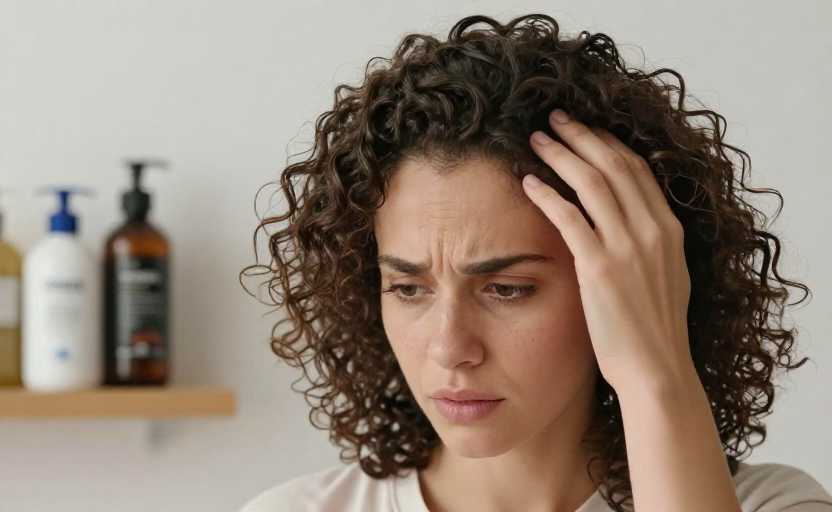
To be honest, I have been working as a community health worker for the past five years. In the first two years, I also fell into the misunderstanding of "only talking about high blood pressure for middle-aged and elderly people over 50 years old." Until last week at the free clinic, I met a 28-year-old Internet programmer who was 175cm tall and 180cm tall. His blood pressure was measured to be 146/96. He waved his hand nonchalantly and said, "Isn't high blood pressure a disease only for old men and old ladies?" I’m young and it’s okay to stay up late.” If you look up the data in the "China Guidelines for the Prevention and Treatment of Hypertension 2023", you will know that the prevalence of hypertension among people aged 18-34 has reached 9.7%. One in ten young people is on the edge of the red line. Many people even have the disease without knowing it. They always feel that "I am still young and it is not my turn." Do you think it is okay not to provide health education to these people?
You may ask, do young children also need to listen? Alas, this is really an issue that is discussed a lot in the academic circles at present. One group of scholars believes that it is not necessary. Children have strong metabolic abilities and just need to check their blood pressure regularly. Specializing in health education related to hypertension will create unnecessary anxiety for parents. ; The other group uses clinical data to speak. The overweight and obesity rate among children aged 6-17 in my country has now exceeded 20%. Last month, I met a 12-year-old boy who weighed 140 pounds and whose blood pressure had reached the critical value of 138/89. His mother was still chasing him to stew elbows and buy milk tea every day, thinking that "children are better raised if they are fatter." If it hadn't been discovered by accident during this physical examination, he might have been diagnosed with secondary hypertension in another two years. From our front-line perspective, we don’t need to worry too much about “whether to formally include it”. When we usually provide feeding science education to parents, we just mention that children should eat less pickled vegetables, drink less sugary drinks, and use less salt in cooking. This is enough. There is no need to give a special lecture on high blood pressure to children and cause a lot of trouble.
Of course, we cannot ignore the traditional high-risk groups: people with a family history of high blood pressure, long-term smoking and drinking, overweight, and heavy daily tastes. These people really need to eat snacks. Uncle Wang, who was followed up in our community last month, has parents and two younger brothers who are hypertensive patients. He is naturally susceptible. He always eats pickled radishes. We tried to persuade him three times but refused to listen. He said, "I've been eating for 60 years and it's fine, but you are just making a fuss." As a result, he suffered a cerebral hemorrhage last week and was hospitalized. He couldn't move half of his body after he was rescued. Now he regrets seeing us for the follow-up visit. When providing health education to these people, we can't just talk about general principles. We have to use examples around them to explain things, and give them a clear account of "eating one less pickle, and spending tens of thousands of yuan less in hospitalization expenses" before they can listen.
Another group that is easily missed is the family members of patients with hypertension. An aunt was diagnosed with high blood pressure before, and we urged her to eat no more than 5g of salt a day. However, after three months, her blood pressure was still high when she was checked again. When I asked her, I found out that her husband was a heavy cook and always added too much salt. He said, "The dishes are bland and tasteless." The aunt couldn't control the salt even if she wanted to. Later, we invited her wife to listen to the popular science twice, and she learned to use a salt-limited spoon and replace part of the salt with seasonings such as onion, ginger, garlic, and lemon. Her blood pressure stabilized in the second month. To put it bluntly, the patient's living environment is provided by his family. If only the patient himself is educated, the effect will definitely be compromised if the family does not cooperate.
In addition to the general population, there is also a special type of education target that is particularly important, which are health communicators at the grassroots level - community grid workers, community property staff, and even square dance team leaders. These people usually interact with residents the most. Previously, when a grid member visited households for publicity, he told residents that "as long as they take antihypertensive medicine, they can eat and drink as much as they want," which almost misled several elderly people. Therefore, every time we do science popularization training now, we must first call these front-line communicators to listen and correct their perceptions first, so that the knowledge transmitted will not be distorted.
In fact, to put it bluntly, there is never anyone who "shouldn't listen" to health education on hypertension prevention. After all, no one wants to live with antihypertensive drugs every day for the rest of their lives. It would be better to understand some relevant knowledge early and regret it later when the disease occurs.
Disclaimer:
1. This article is sourced from the Internet. All content represents the author's personal views only and does not reflect the stance of this website. The author shall be solely responsible for the content.
2. Part of the content on this website is compiled from the Internet. This website shall not be liable for any civil disputes, administrative penalties, or other losses arising from improper reprinting or citation.
3. If there is any infringing content or inappropriate material, please contact us to remove it immediately. Contact us at:
