
The most effective treatments for food allergies
Strictly avoid contact with allergens + provide immediate first aid during acute attacks + individualized immune tolerance induction can be carried out for patients who meet the indications. There is no so-called "magic cure", and any talk of "complete cure" that is divorced from individual circumstances is IQ tax.
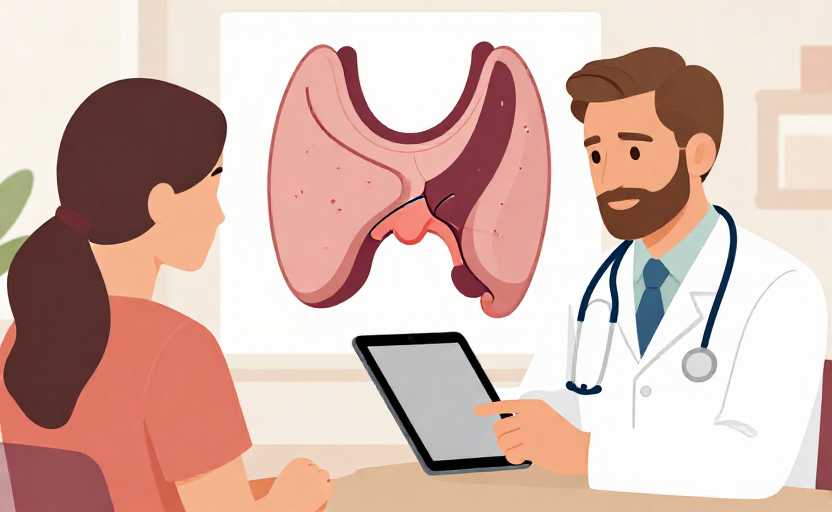
To be honest, in the past few years of following up in the allergology department, I have seen too many people who treat food allergies as a trivial matter. Last week, we admitted a 6-year-old boy. Grandma didn't know he was allergic to peanuts, so she stuffed him with half a piece of peach cake with crushed peanuts. Within ten minutes, his face was swollen like a steamed bun, and he had a throat whine when he inhaled. When he was sent to the emergency room, his blood oxygen had dropped below 90. It took him a long time to recover.
Many people have misunderstandings about "avoiding allergens". They either think it is too troublesome and unnecessary, or they go too far and dare not touch anything. There are actually two different ways of thinking about this matter clinically: For patients with severe allergies who have experienced laryngeal edema and anaphylactic shock in the past, the mainstream view is that even the risk of cross-contamination should be avoided - for example, if you are allergic to peanuts, you should not touch any processed food marked "may contain peanuts" or "peanuts processed in this production line". When going out to eat, you should make it clear to the chef in advance and do not use tableware or spatulas that have touched allergens to cook for you. ; But for mild to moderate patients with scattered hives after eating and no respiratory or circulatory symptoms, many experts now support moderate avoidance. There is no need to force yourself to touch bread with trace amounts of milk powder or fruit slices with mango peel. On the contrary, small and low-frequency contact may help maintain immune stability. There is no absolute right or wrong between the two options. It all depends on your own degree of allergies.
Oh, by the way, there is another fatal misunderstanding that must be mentioned: many people’s first reaction to allergic attacks is to take antihistamines such as loratadine and cetirizine, and they feel that they will be over with it. I met a young man who was allergic to mangoes before. He carried it three times because of his youth. Last time, he just dipped some mango juice from someone else. He was so swollen that he could not speak. When he was sent to the emergency room, he was almost suffocating. Later, he now carries two epinephrine pens with him and dare not be careless about anything. Really, once an allergic attack occurs and symptoms include difficulty breathing, hoarseness, dizziness and panic, intramuscular injection of epinephrine is the only first-line first aid method. Antihistamines can only relieve the rash but cannot save lives.
As for the "desensitization treatment" that everyone is talking about now, oral immune tolerance induction (OIT), it is indeed the only treatment method that can make patients tolerate allergens for a long time: start with a small dose and slowly eat allergenic foods, gradually increase the amount, and let the body's immune system slowly adapt. Clinical data shows that about 70% of patients who have completed the standard course of treatment can achieve long-term tolerance and will not have attacks after eating normally. However, this method is also controversial. On the one hand, the treatment period is at least 2-3 years, and allergic attacks may be induced at any time during this period, so it must be carried out under the supervision of a doctor. ; On the other hand, about 30% of patients will relapse after stopping treatment, so we generally only recommend it to patients who have a single allergen and whose avoidance will particularly affect their quality of life - for example, a child is allergic to eggs, and he can only watch his classmates eating cakes on their birthdays, which makes him feel a little inferior after a long time. You can try this, but you must not try it blindly at home. Last year, I met a patient who boiled peanut water at home and drank it to "naturally desensitize". After taking two sips, he went directly to the ICU. He was just joking about his life.
When I educate patients, I always like to share a few practical tips: It is best to carry a small card with you when you go out. On it, write clearly what you are allergic to, how to give first aid in case of an attack, and who the emergency contact is. If something happens, passers-by can also help.; When buying processed food, don’t just scan the ingredient list. Be sure to read the allergen warning column at the bottom. This is a mandatory requirement of the country. Allergens will be marked even if the production line only touches them. Many people just don’t pay attention to this and fall into the trap. ; Don’t listen to your relatives’ nonsense: “Allergy means poor immunity, just take more protein powder.” Allergy is an immune disorder, and taking supplementary supplements indiscriminately may make the symptoms worse.
In fact, after all, there is really no one-size-fits-all method for food allergy. The most effective method is always an individualized plan that matches your own allergy level and life situation. Find a reliable allergist for regular follow-up and adjustment. This is more reliable than Internet celebrity remedies or imported miracle drugs.
Disclaimer:
1. This article is sourced from the Internet. All content represents the author's personal views only and does not reflect the stance of this website. The author shall be solely responsible for the content.
2. Part of the content on this website is compiled from the Internet. This website shall not be liable for any civil disputes, administrative penalties, or other losses arising from improper reprinting or citation.
3. If there is any infringing content or inappropriate material, please contact us to remove it immediately. Contact us at:
