
healthy eating logo
A good healthy food logo is never a template product with a bunch of green leaves and grain elements. The core is the balance between "reducing the user's health cognitive cost" and "strengthening the brand's differentiated memory points". There is no unified standard answer.
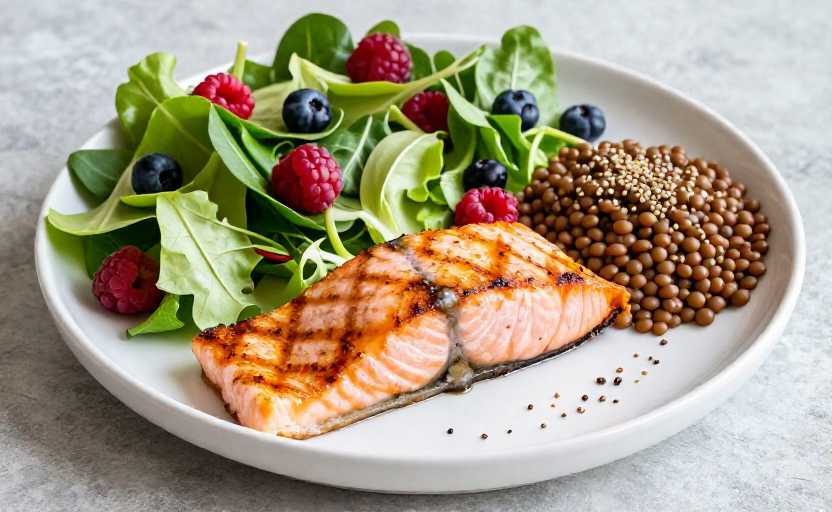
To be honest, I have been designing catering brands for almost 6 years. I have encountered no less than 30 requests for logos related to healthy food. I have encountered a lot of pitfalls and weird requests. Let me tell you the most common misunderstanding first. The first thing many bosses say when they come up is "Give me a whole green leaf, it will look healthy at first glance", but is this really the case?
There is a community light food shop called Qingshuji downstairs of our company. When the boss originally approached us for design, he originally insisted on having a screen full of green leaf elements. Later, we adjusted it to blend the outline of the spinach leaf with the curvature of the takeout lunch box. The font was soft, off-white, with rounded corners, and there were no unnecessary decorations. The week it was first launched, I went to buy food for lunch, and I heard several office girls passing by say, "This restaurant looks very healthy, why don't you eat this for lunch?" Later, the boss told me that the organic store entry rate in the first month of opening was 14% higher than that of another light food restaurant next door that had been open for half a year. To put it bluntly, everyone knew what you were selling at a glance, so there was no need to guess.
But if you want to say that a healthy diet logo must have green leaves, that’s definitely not true. What’s interesting is that last year I got a customer who made 0-calorie sugar basque. The target customer group is college students aged 18 to 25 and young girls who have just started working. The first request they asked was “Don’t use green for me, it’s too much like a health product for middle-aged and elderly people. I want fashion.” In the end, the logo we made for her was a small silver-gray cloud with a bite, with a little pink-orange smudge on the edge, without even adding a food element. As a result, it became popular in the university town in the first month after it opened. Young girls took pictures with bags with their logos printed on them and distributed them in Little Red Books, saying, "You won't get fat after eating the desserts here, and your appearance is still good." Don't you think it's annoying?
Oh, by the way, I also changed an overturned logo last year. The client was a fitness meal maker. I found a small studio to make it for him. I wanted to stuff broccoli, chicken breast, oats, and cherry tomatoes into the logo. As a result, it was printed on the takeout bag. When it was shrunk, it looked like a mess of green from a distance, and no one could recognize it. Later, we simplified it into making the texture of the chicken breast into light orange wavy lines, paired it with a low-saturated avocado green background, and deleted all other elements. Last month he sent me data, saying that users' brand recognition has increased by almost 20%, and repurchase has increased by 7 points. To put it bluntly, the logo must be easy to use. Whether it is printed on the door, lunch box or takeout bag, it must be remembered at a glance.
In fact, this matter is quite controversial in the design circle. One group insists that healthy eating logos must use universal health symbols. Think about it, everyone usually browses the takeout platform and has to mark dozens of stores in ten seconds. If you have an abstract graphic that no one can understand, people will not stop at all. The cognitive cost is too high.; The other group thinks that the scope of healthy eating has long been expanded, including sugar-controlled snacks, healthy stews, and plant-based burgers. You can't just add a green leaf to the logo of donkey-hide gelatin cake, right? That's too inconsistent.
I have done so many cases myself, and I feel that both groups are right. The core is that you must first find out who your target users are. If you open a store in front of a community to make nutritional meals for the elderly, with your whole silver-gray cloud logo, the uncles and aunties will definitely think that you sell digital accessories, and they will turn around and leave. ; If you open a plant-based burger in a shopping district where trendy people gather, and you make it with green leaves and Song fonts, people will think you are the kind of bland and light food that your parents would eat, and they won't want to buy it at all. Oh, and there is another small detail. Many people think that health requires bright fluorescent green. In fact, if you look at that color for a long time, it will easily make people think of "tasteless, eating grass, and suffering." On the contrary, low-saturated colors such as avocado green, off-white, and light orange are more likely to make people feel fresh and appetizing, and they will not be burdensome to eat.
Last time I had a drink with a guy who has been doing catering branding for ten years. He said that there is no perfect healthy diet logo. To put it bluntly, in the 0.3 seconds when users glance at it, they can get "Oh, I can eat this without any burden, and it is quite to my taste." This is enough. If you insist on finding a unified template, you are really going the wrong way.
Disclaimer:
1. This article is sourced from the Internet. All content represents the author's personal views only and does not reflect the stance of this website. The author shall be solely responsible for the content.
2. Part of the content on this website is compiled from the Internet. This website shall not be liable for any civil disputes, administrative penalties, or other losses arising from improper reprinting or citation.
3. If there is any infringing content or inappropriate material, please contact us to remove it immediately. Contact us at:
