Malnutrition in the elderly
At present, the prevalence rate of community elderly people over 65 years old in China is about 20% to 30%, and the prevalence rate of hospitalized elderly patients is as high as 40% to 50%. The effect of early detection and early intervention is more than three times higher than that of supplementing nutrition after problems such as fatigue, falls, and decreased immunity occur.
I met 72-year-old Aunt Zhang at the community free clinic last time. She was carrying a cloth bag to measure her blood pressure. Her face was a little swollen and she couldn't lift her feet when walking. After asking, she found out that she was missing six teeth. She thought dental implants were too expensive and was reluctant to get them. She usually only drank white porridge with pickles, and occasionally cooked clear noodles. She rarely ate eggs, saying that "the protein is high and difficult to digest." A blood test showed that the serum albumin was only 32g/L. She was already moderately malnourished. She even cheerfully told me, "It's hard to buy a lot of money to lose weight. There's nothing wrong with my body."
When it comes to "losing weight with old age", there is still no unified statement. The older generation and even many popular health sciences believe that it is better for the elderly to be thinner, so they don’t have to worry about high blood pressure and gout. The lighter the diet, the longer they live. ; However, the view of the clinical nutrition community in recent years is exactly the opposite: the BMI (body mass index) of people over 65 years old is best maintained between 22 and 26. If it is less than 20, the risk of all-cause death is 40% higher than that of people with normal weight. In fact, both sides are correct. The core demarcation is muscle mass - if the old man looks thin, but has strong grip, walks steadily, and eats enough meat, eggs, and milk, then there is really no problem. But if someone like Aunt Zhang is hungry and thin, and the flesh on her arms is so loose that she can pinch a layer of skin and struggle to carry ten kilograms of rice, that is a real danger signal.
In fact, many elderly people who are malnourished are not reluctant to eat, but really unable to eat. Talking about taste, the number of taste buds in the elderly is half less than that in young people. Even twice the amount of salt used in cooking is tasteless. However, if you have high blood pressure and dare not add more salt, everything you eat will be bland, so just eat a few less bites. Oral and dental problems are more common. Missing two or three teeth is common. You can’t chew slightly harder vegetables and lean meats. You can’t just drink them until they’re mush, right? There are also restrictions due to chronic diseases. Elderly people with diabetes dare not eat staple foods, people with gout dare not touch seafood and soy products, and people with kidney disease must limit protein. If no one is dedicated to match the diet, it is easy to not dare to eat anything, and in the end the nutrition will not keep up. Last year, I met an 80-year-old diabetic patient in the emergency department. After listening to a short video saying "Eat less staple foods that raise sugar levels, you should eat less." He only ate half a bowl of brown rice every meal, and he didn't dare to touch much meat. Finally, he fainted at home and sent it to him. When he checked, his blood sugar was alarmingly low, and his albumin was only 29g/L. His children were still standing by and wondering, "My dad usually eats very healthily."
There are also psychological factors that many people tend to overlook. As an empty-nest elderly person, he is alone at home. It is troublesome to cook a meal for three days and stir-fry vegetables, so he just eats a steamed bun with some pickles. There was an old man who lost 20 pounds in half a year after his wife left. His children took him all over the department and nothing was found wrong. In the end, the old man said, "Eating alone is tasteless. When my wife was around, I could still drink two sips of soup with her. Now I have no one to eat with me, so I can't eat it."
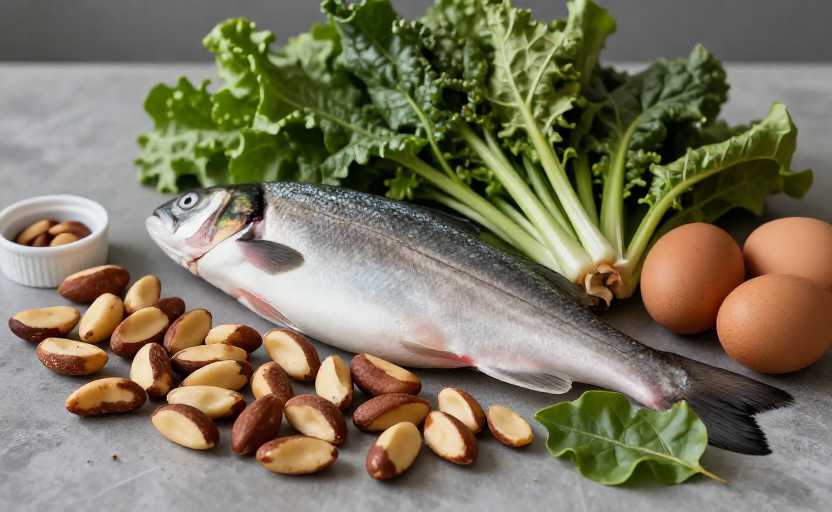
As for how to intervene, there is no completely unified standard in the industry. One group insists on giving priority to dietary supplements, believing that the nutritional structure of natural foods is the most reasonable, and supplements are subject to an IQ tax. ; The other group believes that if dietary supplements really cannot keep up, oral nutritional supplements (ONS) should be added in time and should not be forced. To be honest, both views are correct. I usually don’t recommend supplements when I teach to the elderly. If the elderly can eat 1 egg, 1 bag of milk, 2 taels of lean meat/fish and shrimp, 1 jin of vegetables, and 6 taels of potatoes every day, then they really don’t need to take any supplements. However, many old people have bad teeth and no appetite, so they simply can’t eat enough. So two cups of complete nutritional powder a day is better than drinking white porridge every day, right?
I generally don't prescribe recipes that are too complicated to remember for the elderly. It's useless. For example, if you have bad teeth, you can chop lean meat or shrimp into puree and steam eggs, or stew the ribs in a pressure cooker for two hours. The meat will melt as soon as you take a bite, and you don’t need to chew much. Vegetables don’t have to be stir-fried, they can be chopped and put into porridge or noodles. Don’t always tell the elderly to have a “light diet”. Add some green onions, ginger, garlic, and low-sodium salt to enhance the flavor. The elderly will be more willing to eat more than bland boiled vegetables. Also, instead of always saying "you eat more" on the phone to your children, it is better to make more stuffed buns and dumplings when you go home on weekends and keep them in the refrigerator. The old man can eat them after heating them in ten minutes, which is more effective than any other advice.
The last time I went to the community for a return visit, Aunt Zhang finally listened to her children's advice and had her two lower teeth implanted. Now she puts a spoonful of shrimp paste in her steamed eggs every morning and drinks half a cup of Shuhua milk in the afternoon. Last month, her albumin level had risen to 38g/L. Now she dances square dances with her old sisters in the community for half an hour every afternoon, and carries a vegetable basket to the vegetable market for half an hour without being out of breath. When she saw her, she even laughed and said, "It turns out that you don't have to lose weight when you are old. Only when you eat enough can you have the energy to play."
Disclaimer:
1. This article is sourced from the Internet. All content represents the author's personal views only and does not reflect the stance of this website. The author shall be solely responsible for the content.
2. Part of the content on this website is compiled from the Internet. This website shall not be liable for any civil disputes, administrative penalties, or other losses arising from improper reprinting or citation.
3. If there is any infringing content or inappropriate material, please contact us to remove it immediately. Contact us at: