
4 types of foods to eat during menstruation. Menstrual health tips
Before or during menstruation, many female will appear Dysmenorrhea Phenomenon. Some women suffer from dull pain, while others have a feeling of "unbearable pain". In order to avoid worsening of menstrual cramps, some precautions must be taken during menstruation, one of which is diet. Women with dysmenorrhea need to pay attention to the following dietary taboos!
What should women eat during menstruation?
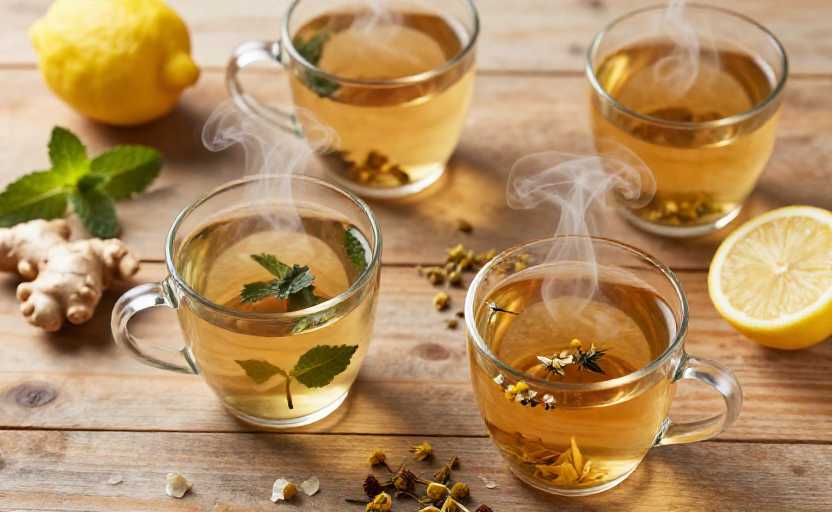
1. Women should drink chamomile tea during menstruation
Researchers at the USDA Human Nutrition Research Center say women should avoid drinks containing coffee Because of the tea. Because caffeine can cause menstrual discomfort. However, chamomile tea is an exception. Chamomile tea can help eliminate muscle spasms, relieve tension and discomfort, and reduce women's dysmenorrhea and menstrual discomfort symptoms.
2. Women should eat pineapple during menstruation
According to research, young women with insufficient manganese levels have 50% more menstrual blood than women with normal levels of manganese. Therefore, if women want to relieve menstrual discomfort, they must increase their manganese intake. Fruits are rich in manganese, with pineapples being the richest. Pineapples also contain high levels of bromelain, an enzyme that relaxes muscles and prevents menstrual cramps.
3. Women should eat green vegetables during menstruation.
The calcium, magnesium, and potassium in green vegetables can relieve and stop dysmenorrhea. It can also make people feel relaxed, relieve mood swings, and reduce irritability. Dark green vegetables also contain large amounts of vitamin K, which can clot blood and prevent excessive bleeding.
4. Women should eat omega-3 fatty acids during menstruation.
There is a substance called "prostaglandins" in the human body, which is similar to hormones and can participate in the mechanism of muscle contraction and dysmenorrhea. Eating salmon, walnuts, and flax seeds is one way to block the secretion of prostaglandins. Because these foods contain large amounts of omega-3 fatty acids. According to research, women whose diet favors foods rich in omega-3 fatty acids experience fewer menstrual discomfort symptoms than women who do not eat these foods regularly.
What should women not eat during menstruation?
Women during menstruation are more irritable and have greater emotional ups and downs. They need to have certain dietary taboos. Foods that should not be eaten during menstruation can be roughly divided into the following three categories:
1. Women should not eat spicy food during menstruation. : Such as cinnamon, Sichuan peppercorns, cloves, pepper, etc. In normal times, adding some chili peppers to the dish can make the dish taste better. However, women during menstruation should not eat these spicy and irritating foods, otherwise they will cause dysmenorrhea, heavy menstrual bleeding and other symptoms.
2. Women should not eat raw or cold foods during menstruation. : Such as pears, bananas, water chestnuts, stone fungus, stone flower, and ground fungus. Most of these foods can clear away heat, detoxify, and nourish yin. Eating it on a regular basis is beneficial to the human body. However, you should try not to eat or eat less of these foods during menstruation, otherwise it will easily cause dysmenorrhea. Irregular menstruation and other symptoms.
Menstrual period tips:
1. Don’t deliberately eat sweets: such as drinks, cakes, and candies. Prevent blood sugar instability and aggravate various discomforts of MC.
2. Eat more high-fiber foods: Vegetables, fruits, whole grains, whole wheat bread, brown rice, oats and other foods contain more fiber, which can promote the secretion of estrogen, increase the magnesium content in the blood, regulate menstruation and calm down. nerve role.
3. Get enough protein: Eat more high-protein foods such as meat, eggs, tofu, and soybeans for lunch and dinner to supplement the nutrients and minerals lost during menstruation.
4. Women with heavy blood loss should consume more spinach, candied dates, red vegetables (the soup is red vegetables), Grape Eat dry and other high-fiber foods to replenish blood.
5. Avoid caffeinated beverages: Coffee, tea and other beverages can increase anxiety and restlessness; you can drink barley tea and mint tea instead.
Disclaimer:
1. This article is sourced from the Internet. All content represents the author's personal views only and does not reflect the stance of this website. The author shall be solely responsible for the content.
2. Part of the content on this website is compiled from the Internet. This website shall not be liable for any civil disputes, administrative penalties, or other losses arising from improper reprinting or citation.
3. If there is any infringing content or inappropriate material, please contact us to remove it immediately. Contact us at:
