Heart disease prevention tips
Control blood pressure, blood lipids, and blood sugar within the standard range suitable for your age, get rid of the sad habits of smoking, sitting for long periods of time, and long-term high-fat and high-salt diet, and do 1-2 targeted heart screenings based on your own situation every year - don’t think this is a cliché. I have been in the cardiology department for almost 10 years, and I have seen at least 70% of young and middle-aged patients with myocardial infarction who suffer from these little things.
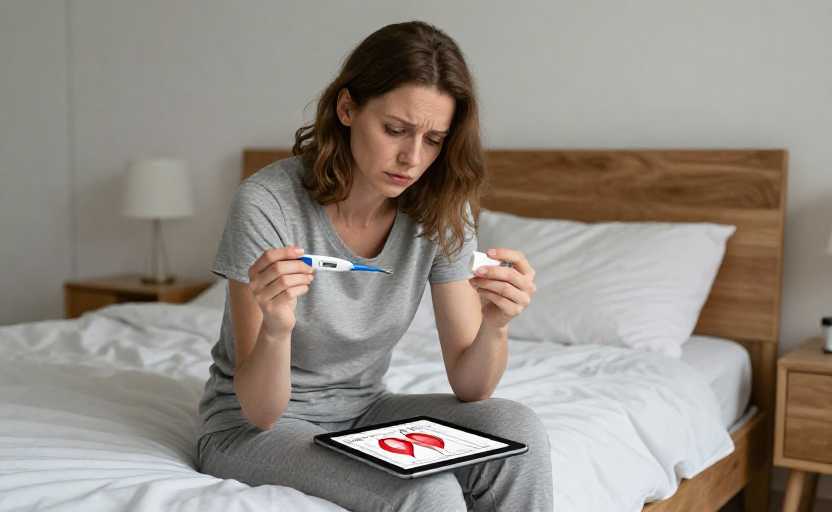
A 32-year-old Internet programmer who just had a follow-up visit last month was still scratching his head when he was discharged from the hospital and asked how he could have a myocardial infarction. In previous physical examinations, except for his blood pressure, which was 145/95mmHg, all other indicators were normal. He had no symptoms of dizziness and chest tightness, so he didn’t take it seriously. He refused to take antihypertensive drugs because he found it troublesome, and he was busy working on projects every day. It was normal to arrive at two or three o'clock. I ordered spicy fried chicken and braised rice bowl every time, and drank Coke as water. I could lie down at home all day without moving on the weekends. Before I got sick, I stayed up for three days in a row to catch up on the version. I just walked to the subway station after get off work and collapsed, holding my chest. Fortunately, I was sent to the hospital in time to put a stent, otherwise I might have died. Now he carries antihypertensive medicine in his bag all year round. He has quit smoking. He gets up to get a glass of water and shake it around every half an hour. He has also switched to warm Coke. The last review indicators were extremely stable.
To be honest, his situation is really too typical. I always think that heart disease is a disease only suffered by the elderly, but I don’t know that the damage to blood vessels is accumulated day by day. Many people have misunderstandings about "controlling the three highs". They either think that "if the value is higher and there are no symptoms, don't worry about it", or that the lower the better. In fact, there is no unified "perfect standard" in clinical practice. The requirements of different groups of people are completely different: people under 65 years old and without underlying diseases should try to keep their blood pressure below 130/80mmHg, their low-density lipoprotein cholesterol within 2.6mmol/L, and their fasting blood sugar should not exceed 6.1mmol/L. ; However, if you are over 75 years old and have underlying diseases such as insufficient blood supply to the brain, you do not need to deliberately lower your blood pressure to the standards of young people. It is perfectly fine to control your blood pressure within 140/90mmHg. Instead, you must be wary of the risk of myocardial ischemia caused by hypotension and hypoglycemia. Overcorrecting may harm the body.
In addition to indicator control, those small daily habits that you think are inconspicuous have a much greater impact on your heart than you think. Old smokers always say, "I've been smoking for decades and my lungs are fine." But many people don't know that the nicotine in tobacco first damages the endothelium of blood vessels, which is much more harmful than eating an occasional meal of high-fat hot pot. Clinically, many patients with myocardial infarction in their 50s have a smoking history of more than 30 years. Many people even have healthy lungs, but their heart blood vessels are blocked first. By the way, don’t think you’ll be fine if you don’t smoke. Smoking second-hand smoke for an afternoon in a closed office will cause damage to blood vessels equivalent to smoking 3 or 4 cigarettes on your own initiative. Don’t be embarrassed to remind your colleagues who smoke around you to smoke in the corridor. You are really saving your own life.
Nowadays, there is a lot of talk on the Internet about exercise to protect the heart. Some people say that walking 10,000 steps a day is the best way to protect the heart. Some people say that high-intensity intermittent exercise is the best way to strengthen the heart muscle. Some people say that sudden exercise can induce myocardial infarction. In fact, these opinions are both correct and incorrect - usually do not exercise at all, go to the hospital People who sit on the sofa after get off work all day really don’t need to suddenly run a half marathon or lift heavy weights, which is more likely to cause problems. Every 40 minutes after sitting, get up to get a glass of water, stand and chat for 5 minutes, get off the bus one stop before get off work and walk for 10 minutes. This kind of low-intensity fragmented exercise is much more heart-friendly than running 5 kilometers on weekends.; For those who have a foundation for exercise and do not have congenital heart problems, doing some high-intensity exercise can actually exercise myocardial function. There is no need to be afraid to move because of fear of accidents.
Many people think that since I exercise regularly and have normal indicators, I will definitely not have a heart disease. In fact, this is not the case. Many hidden heart problems usually have no symptoms at all and cannot be detected by an electrocardiogram during a general physical examination. Nowadays, medical examination institutions always recommend coronary CT to young people, saying that it can accurately check whether the blood vessels are blocked or not. In fact, it is completely unnecessary. If you do not have three high blood pressure, no family history of heart disease, and do not have symptoms of chest tightness and palpitation at ordinary times, a normal electrocardiogram will be enough. However, a coronary CT requires radiation, which is an over-examination. ; But if you always feel chest tightness after exercising, or you have high blood pressure, or have smoked for more than 10 years, it is best to do a dynamic electrocardiogram or an exercise treadmill test. For tens to hundreds of dollars, you can catch abnormalities that cannot be detected by ordinary electrocardiograms. If there is really a problem, it is not too late to do a coronary CT.
I am always asked by relatives and friends if I have any tips to protect my heart, or what supplements I should take. To be honest, there is really no shortcut. You don’t need to take Coenzyme Q10 every day, and you don’t need to buy expensive heart-protecting health products. Just control the indicators that need to be controlled, less Smoking two cigarettes, walking two more steps, and checking if you feel uncomfortable can already avoid more than 90% of the risk of heart disease. The heart is a very "honest" organ. If you treat it well, it will reward you. Don't wait until something goes wrong to regret it.
Disclaimer:
1. This article is sourced from the Internet. All content represents the author's personal views only and does not reflect the stance of this website. The author shall be solely responsible for the content.
2. Part of the content on this website is compiled from the Internet. This website shall not be liable for any civil disputes, administrative penalties, or other losses arising from improper reprinting or citation.
3. If there is any infringing content or inappropriate material, please contact us to remove it immediately. Contact us at: