
Daily care guidance content for the elderly
There is no unified template that is universally applicable. The core is to focus on the three core goals of "physiological risk prevention and control, psychological comfort, and social function preservation" and dynamically adjust according to the elderly's self-care ability, underlying diseases, personal living habits and even personality preferences. Everything is based on the elderly's true feelings and safety as the primary criterion.
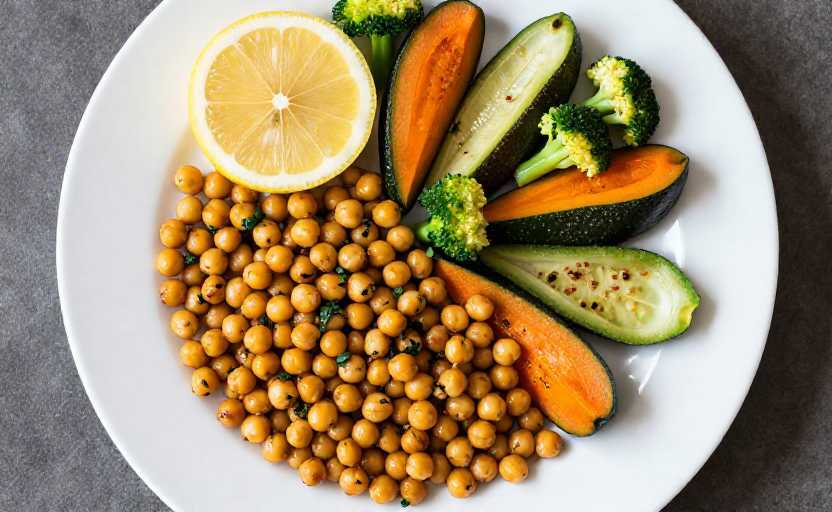
To be honest, I have been doing community care for the elderly for 7 years, and I have seen too many situations where family members rely on the "standard guidelines" found online, which in turn makes the elderly uncomfortable and the whole family has many conflicts. Take the most common dietary care as an example. As soon as many family members get the doctor's advice of "low salt, low fat and low sugar", they directly ban all the sauce meat, pickles, and sweet cakes that the elderly have eaten for a lifetime, and eat porridge and vegetables every day. As a result, either the elderly secretly hide snacks and eat more than the standard, or their appetite is getting worse and worse, and malnutrition is more serious than the problem of high blood sugar. There are actually two different views on this matter in the industry: one insists on strictly following doctor’s instructions to control indicators, and believes that the stability of underlying diseases is the first priority. ; The other group advocates giving priority to ensuring the quality of life of the elderly. After all, the reduced immunity caused by poor mood and malnutrition may not be more harmful to the elderly than eating a few sweet bites occasionally. In practice, we generally strike a middle balance: as long as the indicators are within control, arrange for the elderly to eat "non-healthy foods" that he likes two or three times a week, and correspondingly reduce the staple food or walk 10 minutes longer. The effect is much better than the hard card standard. The diabetic grandfather Zhang who was taking care of me used to secretly hide the sauced duck legs and eat them. He could eat a whole duck at a time, and his blood sugar soared to 12mmol/L. Later, he was given 100 grams of lean pork elbow meat every Wednesday and Saturday for lunch, and he also reduced 25g of rice. Over the past six months, his blood sugar has basically stabilized at 7-8mmol/L, and his mood has relaxed a lot.
After talking about food, let’s talk about the issue of falls that everyone is most nervous about – after all, if an old man falls, he will easily break his bones, and the whole family will panic. Many people's first reaction is to install handrails, lay out non-slip mats, and cover all the angular furniture in the house. Last time I visited Aunt Li's home for evaluation, she did this, but she still fell when she got up at night. After asking for a long time, she found out that she had been used to saving money all her life and felt that turning on a night light was a waste of electricity. She thought the sensor light installed by her family was too bright, so she secretly unplugged it and slipped when she went to the toilet in the dark. Later, we did not force her to turn on the light, but placed a warm night light with the lowest brightness next to her bed. The cloth shoes she often wore were sewn with luminous anti-slip strips, and she had no problems for more than half a year. There is also great controversy over whether to wear anti-fall vests. Many organizations advocate that semi-disabled elderly people must wear them when going out. However, many elderly people feel that they look like "disabled people with limited mobility" when they wear them. They are stared at when walking on the road and refuse to wear them. We generally recommend wearing it when going out to places with many people and uneven roads. When walking slowly in the community, you should follow the wishes of the elderly. After all, if you are not willing to go out in a bad mood, your muscle strength will decrease due to lack of activities, and you will be more likely to fall.
As for the problem of pressure ulcers, which is most likely to occur among the elderly who are bedridden for a long time, we used to have a strict standard of turning over every two hours. Many elderly people were woken up just after falling asleep, and many of them lost their temper. Now there are different voices in the industry: If a qualified pressure-reducing mattress is used and the elderly's skin is in good condition, the interval can be extended to 3-4 hours. Prioritizing sleep quality will be more conducive to maintaining immunity. Of course, the premise is that the sacrococcyx and heels should be checked every day. Once there is redness, it must be dealt with in time. This level must be determined by the caregiver.
There is also psychological care that many people ignore. To put it bluntly, don’t do everything for the elderly. There used to be a Grandma Wang, and her daughter was very filial. She would take her food into her hands, help her put on clothes, and even put on toothpaste. As a result, Grandma Wang became less and less talkative and would sit on the balcony all day long. Later, we suggested that she choose half a plate of vegetables and fold her own autumn clothes and trousers every day. Even if the vegetables she chose had some old leaves and the clothes she folded were wrinkled, don’t correct them. Gradually, she became more talkative, and she would also take the initiative to tell us about her past days growing vegetables in the production team. There has been debate in the care circle today about whether to help the elderly do as much as possible to reduce their physical exertion, or to encourage them to take care of themselves appropriately. Most of the cases I have seen prove that as long as the elderly's health allows, even doing trivial things can make them feel that they are "still useful", which is more effective in maintaining cognitive functions and improving mood than taking any number of supplements.
In fact, after doing it for a long time, you will find that elderly care has never been a high-tech job. The core thing is not to regard the elderly as "nursing objects that need to be corrected." First, treat them as ordinary people with their own habits, preferences, and temperaments. No matter how good you think the imported diapers are, if they find it boring and want to use cotton pads, then use cotton diapers frequently during the day and use diapers at night to prevent leakage. ; If you think square dancing is good for your health, but he likes to squat at home, listen to operas and write calligraphy, then let him go. As long as there are no safety risks, it is better to make the old man happy than anything else.
Disclaimer:
1. This article is sourced from the Internet. All content represents the author's personal views only and does not reflect the stance of this website. The author shall be solely responsible for the content.
2. Part of the content on this website is compiled from the Internet. This website shall not be liable for any civil disputes, administrative penalties, or other losses arising from improper reprinting or citation.
3. If there is any infringing content or inappropriate material, please contact us to remove it immediately. Contact us at:
