
Diet principles for the elderly in winter
Eat small meals frequently and supplement nutrition with snacks
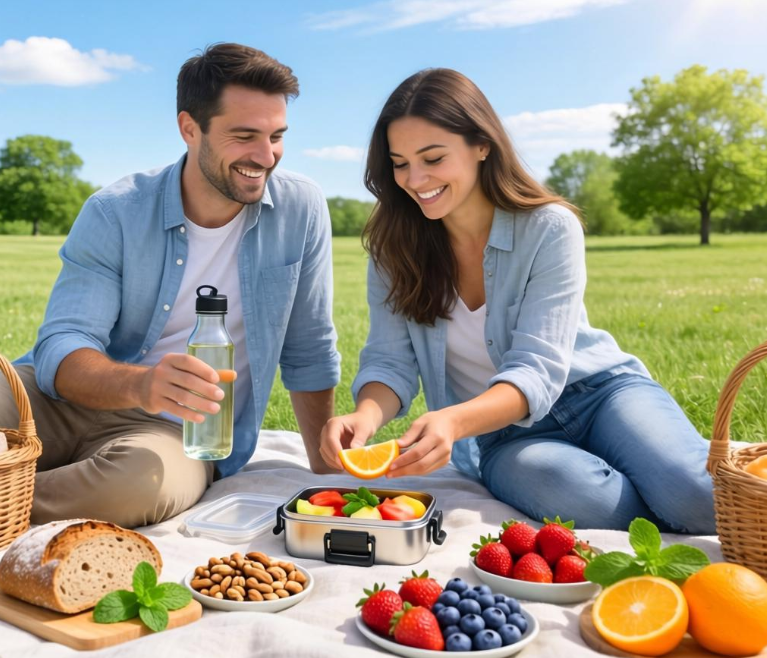
elderly Due to poor chewing and swallowing abilities, he often cannot eat much in one meal, and eating time takes a long time. In order for the elderly to absorb enough calories and nutrients every day, nutritionists suggest that they should eat 5 to 6 meals a day, and prepare some simple snacks between the three main meals, such as low-fat milk biscuits (or nutritious cereals), low-fat milk oatmeal, or tofu curds, soy milk and eggs. You can also eat fruits or fruit puree cut into small pieces mixed with yogurt.
Replace some animal protein with soy products
The elderly must limit their meat intake and replace part of their protein sources with beans and soy products (such as tofu, soy milk). In the diet of the elderly, each meal should contain at least 170 grams of good quality protein (such as lean meat, fish, eggs, tofu, etc.). Vegetarians should obtain high-quality protein from beans and various nuts (peanuts, walnuts, almonds, cashews, etc.).
Add vegetables to the staple food and cook together
In order to make it easier for the elderly to chew, try to choose vegetables with softer textures, such as tomatoes, sponge gourds, winter melons, pumpkins, eggplants, and young leaves of green leafy vegetables. Cut them into small cubes or grate them into thin strips before cooking. If the elderly usually eat porridge or noodle soup as their staple food, they can add 1 to 2 kinds of vegetables and cook them together each time to ensure that they eat at least 500 grams of vegetables every day.
Eat 350 grams of fruit every day
Fruit is a food that is often ignored by the elderly. Some soft fruits, such as banana, watermelon, peach, papaya, mango, kiwi, etc., are suitable for the elderly to eat. You can cut the fruit into thin slices or use a spoon to puree it for consumption. If you want to make juice, you must pay attention to control the amount. You can add some water to dilute it when making juice.
Vitamin B supplement
Research in recent years has gradually shown that vitamin B is related to cardiovascular diseases that the elderly are susceptible to. disease , kidney disease, cataracts, brain function deterioration (cognition, memory) and mental healthy etc. are quite closely related. Regardless of illness, medication or surgery, a large amount of vitamin B will be lost. Therefore, for the elderly who are sick, special attention needs to be paid to supplementing vitamin B.
Unprocessed cereals and nuts are rich in vitamin B, so when preparing three meals for the elderly, you might as well add some brown rice, germ, etc. to cook with white rice to make porridge, or you can also put a small amount of nuts in a blender and grind them into powder, add them to oats and cook together to make oatmeal porridge.
Disclaimer:
1. This article is sourced from the Internet. All content represents the author's personal views only and does not reflect the stance of this website. The author shall be solely responsible for the content.
2. Part of the content on this website is compiled from the Internet. This website shall not be liable for any civil disputes, administrative penalties, or other losses arising from improper reprinting or citation.
3. If there is any infringing content or inappropriate material, please contact us to remove it immediately. Contact us at:
