Three stages of sports injury recovery
The three core phases of sports injury recovery are the acute inflammation phase, the repair and reconstruction phase, and the functional regression phase. There is no strict time boundary between the three. The rehabilitation plan must follow the individual's actual recovery state rather than copying a universal timetable. Many people stick to the rigid standard practices of "exercise after 7 days for the swelling to subside after a sprain" and "recover after a month for a strain". On the contrary, it is easy to cause secondary injuries and prolong the entire recovery cycle.
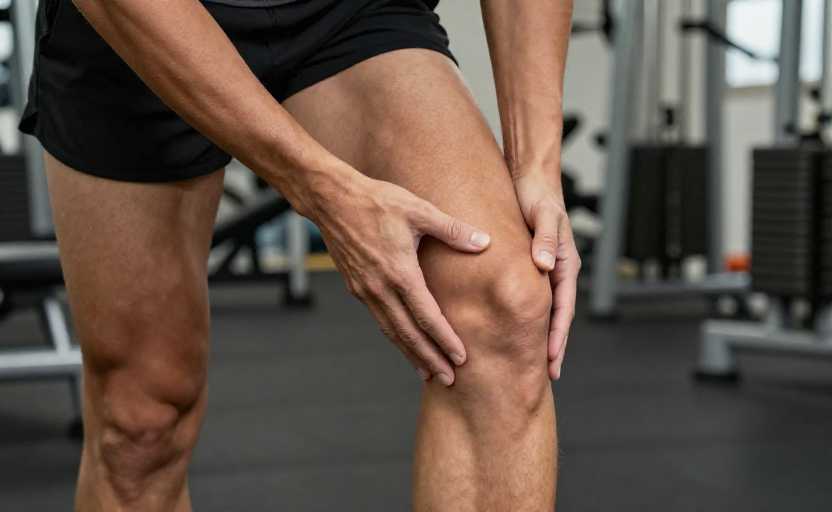
Let’s first talk about the acute inflammation stage, which is the easiest time to get into trouble. During the immediate period of injury, the injured area will be red, hot, swollen and stinging, and you will feel a pulling sensation when you move. This is your body sending you a "pause signal", and all damaged tissues are cleaning up the necrotic debris on their own and starting the repair process. There has been quite a bit of controversy over the treatment of this stage in the past few years: Old-school rehabilitation advocates the RICE principle (rest, ice, compression, elevation) and requires immobilization as much as possible to avoid the spread of inflammation. ; The latest PEACE principle proposed by the British Journal of Sports Medicine encourages doing very light activities without causing pain, such as doing slow ankle pumps after an ankle sprain to avoid excessive muscle atrophy. In fact, there is nothing wrong with either statement. The key depends on the degree of injury: if there is a serious injury such as ligament tear or fracture, you must follow the doctor's advice to immobilize. ; If it is just a mild muscle strain or joint sprain, there is no need to lie completely still in bed. A small range of activities can speed up metabolism and help reduce swelling. Two years ago, I met a girl who was running a horse race. After she sprained her ankle slightly, she lay down for two weeks. As a result, the swelling disappeared and her calf muscles shrank. Instead, she spent more time building up strength.
Once the swelling has subsided, there is only slight soreness when pressing the injured area, and there is no pain at all with small daily activities, it is almost time to enter the repair and reconstruction period. The second pitfall that many people fall into is this step. They think "it's fine if it doesn't hurt." They turn around and go back to the court, only to get injured again. This stage is actually the period when new scar tissue grows in the damaged area. These new tissues are like cement that has just been mixed but has not yet dried. It is soft and has no toughness. It needs to be given some mild stress stimulation to make it grow in the direction we need and become strong and elastic. The rehabilitation program at this stage also has different ideas: one group advocates doing more loosening and stretching, and rubbing away the scar tissue to avoid adhesions. ; The other school advocates doing more progressive strength training to strengthen the load-bearing capacity of the tissue. In practice, the two actually have to be combined. For example, for patients with ankle sprains, I usually ask them to roll a foam roller to loosen the tight muscles in their calves, and then practice strength such as standing on one foot and calf raises, so that they can balance without problems. There was a child who played CUBA before. After the collateral ligament was no longer painful, he went back to playing games. However, he tore it again as soon as he changed direction. He spent half a year recovering and skipped this stage of strength training.
By the way, when I usually help people make rehabilitation plans, I never give a timetable of "3 days for the first stage and 2 weeks for the second stage." Some people are young and have a fast metabolism, and the swelling will subside in 3 days after a mild strain and enter the next stage.
When you can easily complete daily walking, going up and down stairs, and even basic movements such as jogging and squatting without any discomfort, don't rush to increase your strength. In the end, there is a functional return period that is easily ignored. At this point, many people will think, "I can run and jump, so it must be better." However, as a result, it hurts as soon as they start special movements - swinging the racket when playing badminton, pain when running a marathon, and landing when playing basketball. In essence, they only practiced basic strength and did not regain their movement patterns. The core of this stage is to rebuild neuromuscular control. To put it bluntly, it is to let your muscles, joints, and nerves regain the force memory of previous special sports, know how to exert force and how to release force, and will not use the wrong posture to exert force in a panic. I myself had a rotator cuff strain last year. At this stage, I had no problem practicing shoulder presses and lateral raises, but it hurt as soon as I hit the field and hit high balls. Later, I spent three weeks specifically practicing the sequence of power swings and correcting the bad movements of raising my shoulders and waving my arms before I fully recovered to the level before the injury.
To put it bluntly, these three stages are actually like baking bread: the acute inflammation stage is when you first enter the oven. You have to keep the temperature stable and don’t open the oven door randomly, otherwise it will be baked to death.; The repair and reconstruction period is a stage where it slowly rises. You have to keep an eye on the fire and adjust the temperature to make it fluffy and tough. ; The function return period means that after baking, it needs to be cooled down to soften. If you eat it directly, it will be hard and hard to eat. There is no standard baking time, it all depends on the size of your bread and the temperament of your oven. When it comes to exercise rehabilitation, the most important thing is not to apply other people's experience to your own body. Feel more about your own body's reaction. Stop when it hurts and keep going steadily. It is more effective than any general strategy.
Disclaimer:
1. This article is sourced from the Internet. All content represents the author's personal views only and does not reflect the stance of this website. The author shall be solely responsible for the content.
2. Part of the content on this website is compiled from the Internet. This website shall not be liable for any civil disputes, administrative penalties, or other losses arising from improper reprinting or citation.
3. If there is any infringing content or inappropriate material, please contact us to remove it immediately. Contact us at: