
Geriatric disease prevention and precautions include
The core logic of geriatric disease prevention and precautions is essentially "not to apply a unified health template, adjust lifestyle based on individual basic diseases, screen early and control reversible risks, and take into account physical and psychological needs." There is no "universal rule" suitable for all elderly people, and all measures must be dynamically adjusted around their own health conditions.
I have been doing health education in the community for 5 years, and I have met too many elderly people who have fallen into trouble. I just treated 73-year-old Uncle Zhang last month, who has a 3-year history of hypertension. I heard the old man said, "Climbing mountains to exercise your heart and lungs will make you live younger." I climbed Xiangshan Mountain for two weeks in a row. Last week, I got dizzy halfway up the mountain. When I was sent to the emergency room, my blood pressure soared to 180/110. Fortunately, I didn't suffer a cerebral hemorrhage after falling. There is currently no unified conclusion in the academic community regarding what kind of exercise is suitable for the elderly: Traditional geriatric medicine advocates giving priority to low-intensity aerobic exercise such as slow walking and Tai Chi to avoid placing extra burden on the heart, lungs and joints. ; However, sports medicine research in recent years has also suggested that as long as there is no severe osteoarthritis and the cardiopulmonary function is up to standard, doing light resistance training 1-2 times a week (such as lifting a half-filled mineral water bottle and squatting against the wall for 1 minute) can actually delay muscle loss and reduce the risk of sarcopenia. There is nothing wrong with either statement. The key point is that you must first go to a community hospital for an exercise tolerance assessment, and don’t blindly follow other people’s exercise methods.
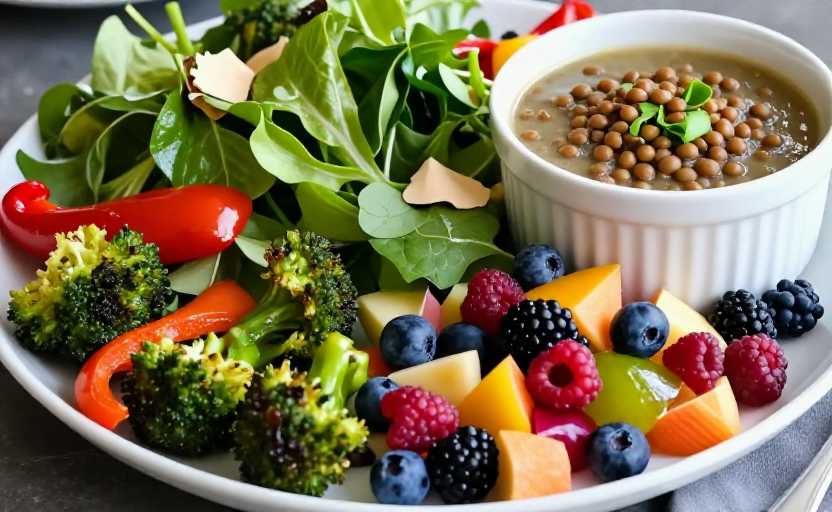
Don’t think that there is a uniform standard for food. Many elderly people have a habit of being reluctant to throw away the leftovers on the dinner table and eating them for three or four meals. I have met no less than 10 elderly people who were admitted to the hospital due to nitrite poisoning due to repeated consumption of leftover leafy vegetables. There are also many elderly people who are superstitious about "eating a vegetarian diet to lower blood lipids." Last year, there was an old man in our community who insisted on eating a vegetarian diet for a year. His blood lipids did drop a little. However, a blood test found that his albumin dropped by almost 20%, and he lost 4 pounds of muscle mass, making him walk wobbly. The current nutritional recommendations for the elderly are not one-size-fits-all: If you have gout or high blood fat, you can appropriately reduce your red meat intake, but it is absolutely not recommended to completely cut off animal protein. An egg, a cup of warm milk, and 1-2 taels of lean pork or fish a day are suitable amounts for most elderly people. If you are thin and have insufficient muscle mass, you can add more. Don't listen to others who say "eating meat is not good" and just don't touch it. Even the calcium supplement that everyone often talks about now has different opinions: one group of guidelines says that people over 60 years old should take a daily supplement of 600 mg of calcium and vitamin D to prevent osteoporosis. ; The other group reminds that if the elderly are at risk of kidney stones or hypercalcemia, blind calcium supplementation will increase the risk of stones. It is best to check blood calcium and urinary calcium before supplementing, and do not take calcium tablets blindly.
I get a headache when I take medicine. I have seen too many elderly people treating health products as magic medicine. Not long ago, Aunt Li spent 8,000 on a "hypertension tea" after listening to a health class. She stopped the antihypertensive medicine she had been taking for five years and was hospitalized for a cerebral infarction in half a month. Nowadays, in the field of elderly chronic diseases, "minimalist medication" is indeed advocated. That is, if the basic disease is stable for a long time, you can take less medicine if you can, but the prerequisite must be evaluated by a doctor. Reducing, stopping, or changing health products without permission can really be fatal. There are also many elderly people who think that "going to the hospital is just a waste of money". In fact, if you are over 60 years old and have a carotid artery ultrasound and bone density test every year, and if you are over 65 years old and have a cognitive function screening every year, it is really not a waste of money. Last year, Aunt Wang in our community was diagnosed with mild cognitive impairment. She went home and continued to do digital memory training and played mahjong with her old sisters for an hour every day. It has been more than a year and her memory has not declined. If she waits until she no longer recognizes the person before intervening, any medicine will be useless.
Many people have overlooked that falling is the number one cause of disability among the elderly in our country. I have seen too many elderly people who originally had strong bones, but fell down without turning on the lights at night in winter, fractured their femoral necks, stayed in bed for three months, and developed lung infections and bedsores. Therefore, the anti-slip mats and sensor night lights at home are really not IQ taxes. When you get up, don’t sit up suddenly. Lie down for 30 seconds, sit for 30 seconds, stand for 30 seconds before walking. This little habit can avoid 80% of falls caused by orthostatic hypotension. The impact of emotions is much greater than everyone thinks. Not long ago, there was an old man who was bored at home every day after his wife left. His blood pressure fluctuated high and low, and no medicine was effective. Later, his children enrolled him in a flower-growing hobby class in the community and played with flowers every day with the old man. Within two months, his blood pressure stabilized on his own. You say it is magical or not.
To put it bluntly, there really is no one-size-fits-all list for preventing geriatric diseases. Your neighbor may be taking effective fish oil, but you may have higher blood lipids.; Others say climbing mountains is good, but if you have high blood pressure, it may be fatal. Having regular physical examinations every year and talking more about your situation with your family doctor is more useful than watching 100 short health videos.
Disclaimer:
1. This article is sourced from the Internet. All content represents the author's personal views only and does not reflect the stance of this website. The author shall be solely responsible for the content.
2. Part of the content on this website is compiled from the Internet. This website shall not be liable for any civil disputes, administrative penalties, or other losses arising from improper reprinting or citation.
3. If there is any infringing content or inappropriate material, please contact us to remove it immediately. Contact us at:
