
Children's Nutrition Li Bo
For the vast majority of ordinary families, as long as they understand the daily diet mix, they can fully meet all the nutritional needs for their baby's growth and development. There is no need to waste money on buying random supplements. If you feel they are not enough, you are most likely stepping into the cognitive trap of "confusing nutritious foods with what your baby needs."
Don’t believe it, I just received a 4-year-old boy last week. His height is lower than the 25th percentile for babies of the same age and gender. To put it bluntly, he is ranked in the bottom 20 of 100 babies. The mother was so anxious that she shed tears and said that she was frugal and used to stew sea cucumbers and bird’s nests three times a week for the baby. How could he still be deficient in nutrients? When I asked, I found out that my baby was eating these "good things" all the time, and her stomach was so full that she couldn't eat staple food and vegetables. She had been constipated for almost half a month, and her spleen and stomach were so weak that she couldn't absorb them. No matter how much delicacies she ate, it was in vain. There is another mother who is at the other extreme. I heard on the Internet that "babies raised extensively are thicker" and she fed her baby white porridge and stir-fried lettuce every day. The results of the blood test showed that the hemoglobin had just reached the critical value. After squatting for a long time, the baby felt dizzy when she stood up. She also said, "There is nothing you can do if the baby doesn't like to eat vegetables. Drinking some porridge can also make her full."
The current opinions on children's nutrition are indeed mixed, and the academic community itself has two views: One is the "precision supplement school" passed over from Europe and the United States, which advocates measuring trace elements and dietary intake every three months. The intake of carbohydrates, protein, and fat should be accurate to the gram, and supplements should be used immediately to make up for any shortcomings.; The other school is the traditional "natural diet school" in China. It is said that as long as grains, potatoes, meat, eggs, vegetables and fruits are eaten in proportion, there is no need to take any additional preparations. Taking supplements will increase the metabolic burden. To be honest, both of these statements are a bit extreme. You say it is accurate to the gram. How can ordinary office workers have the time to use a scale to cook every day? If your child is in a good mood today, he can eat two more bites of pork ribs, but if he is in a bad mood tomorrow he will not eat a single meal. No matter how accurate your calculations are, you will not be able to keep up with the changes. But it is unrealistic to say that there is no need to supplement at all. For example, in the winter in the north, the sun shines for half a month, and the baby wears thick clothes that cannot expose the skin. Vitamin D cannot be supplemented by eating. There are also babies with milk protein allergies who cannot touch milk or eggs. The calcium gap cannot be filled by eating vegetables, so supplementation is still necessary.
Many parents complain to me, saying that after reading a lot of popular science, they still don’t know how to match. Let me tell you a stupid method that I use at home. There is no need to memorize the meal pagoda at all. My child is 7 years old this year. I have never calculated how many grams of protein she needs to eat every day. I just stare at the plate when eating. Just make up three things: "white, green, red, and yellow." If she wants to eat ice cream and potato chips, she can eat them, as long as they don't take up part of the meal. All the indicators in the last physical examination were above the 70th percentile, which is stronger than many babies who eat this and that every day.
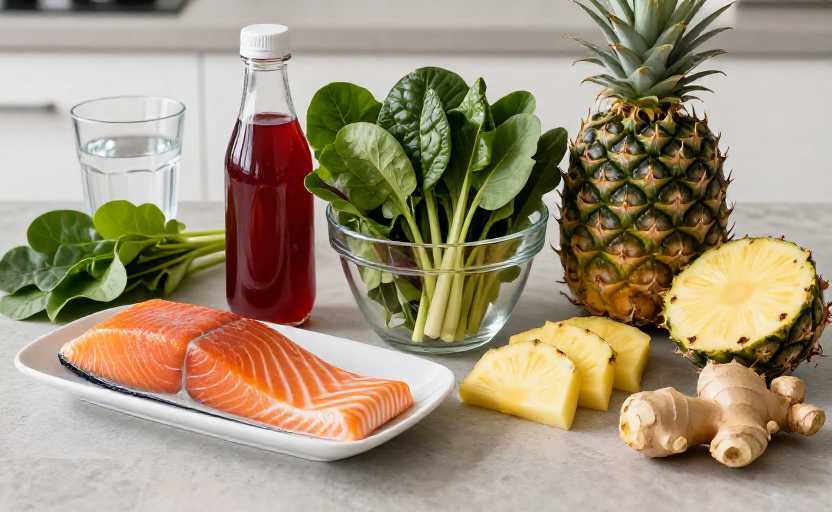
Take DHA, which is the most controversial one. Some people say, "DHA supplementation is purely IQ tax. Just eat two more bites of fish and it will be enough." Others say, "Deep-sea fish contain heavy metals. If you eat too much, you will be poisoned. You must buy supplements." My general advice to parents is very practical: your child can eat deep-sea fish more than twice a week, about 100g each time, such as salmon, cod, or even cheaper mackerel, so there is no need to supplement. ; If your baby can't touch a fish and vomits it at the smell, then just buy a regular brand of DHA that meets the national standards. You don't have to buy thousands of dollars worth of imported products, and you don't have to worry about hearing other people say IQ tax. The one that suits your baby is the right one.
Oh, by the way, don’t be fooled by the words “only for children.” I’ve seen hundreds of ingredient lists for children’s soy sauce, children’s noodles, and children’s milk. Either they have added sugar and flavors to trick the kids into eating them, or the ingredients are the same as the regular ones, and the price is more than twice as expensive. IQ tax is simply charged. Parents who feed their babies royal jelly, cordyceps, and bird's nests should really wake up. The youngest patient with precocious puberty I have ever seen was only 5 years old. His grandma fed him royal jelly every day and said, "it will replenish qi and blood and grow taller." In the end, the baby's bone age exceeded two years, but he did not grow taller. It was really not worth the loss.
I’m not saying that all supplements are useless. Children who are really picky eaters, have food allergies, or whose doctors have clearly stated that they are deficient in a certain nutrient should still take supplements. Don’t force them to do so. In fact, to put it bluntly, there is no profound knowledge about children's nutrition. Don't be anxious by listening to various opinions on the Internet. Pay more attention to the state of your child. If he eats well, sleeps steadily, has normal bowel movements, and his height and weight are growing steadily every month, that is better than anything else. If you are really unsure, go to the nutrition department of a regular hospital and ask. Don’t blindly buy Sanwu supplements from the circle of friends. Spending money is a trivial matter, but harming the baby is the real loss.
Disclaimer:
1. This article is sourced from the Internet. All content represents the author's personal views only and does not reflect the stance of this website. The author shall be solely responsible for the content.
2. Part of the content on this website is compiled from the Internet. This website shall not be liable for any civil disputes, administrative penalties, or other losses arising from improper reprinting or citation.
3. If there is any infringing content or inappropriate material, please contact us to remove it immediately. Contact us at:
